Felicidades e parabéns, Boa Vista Spirit!
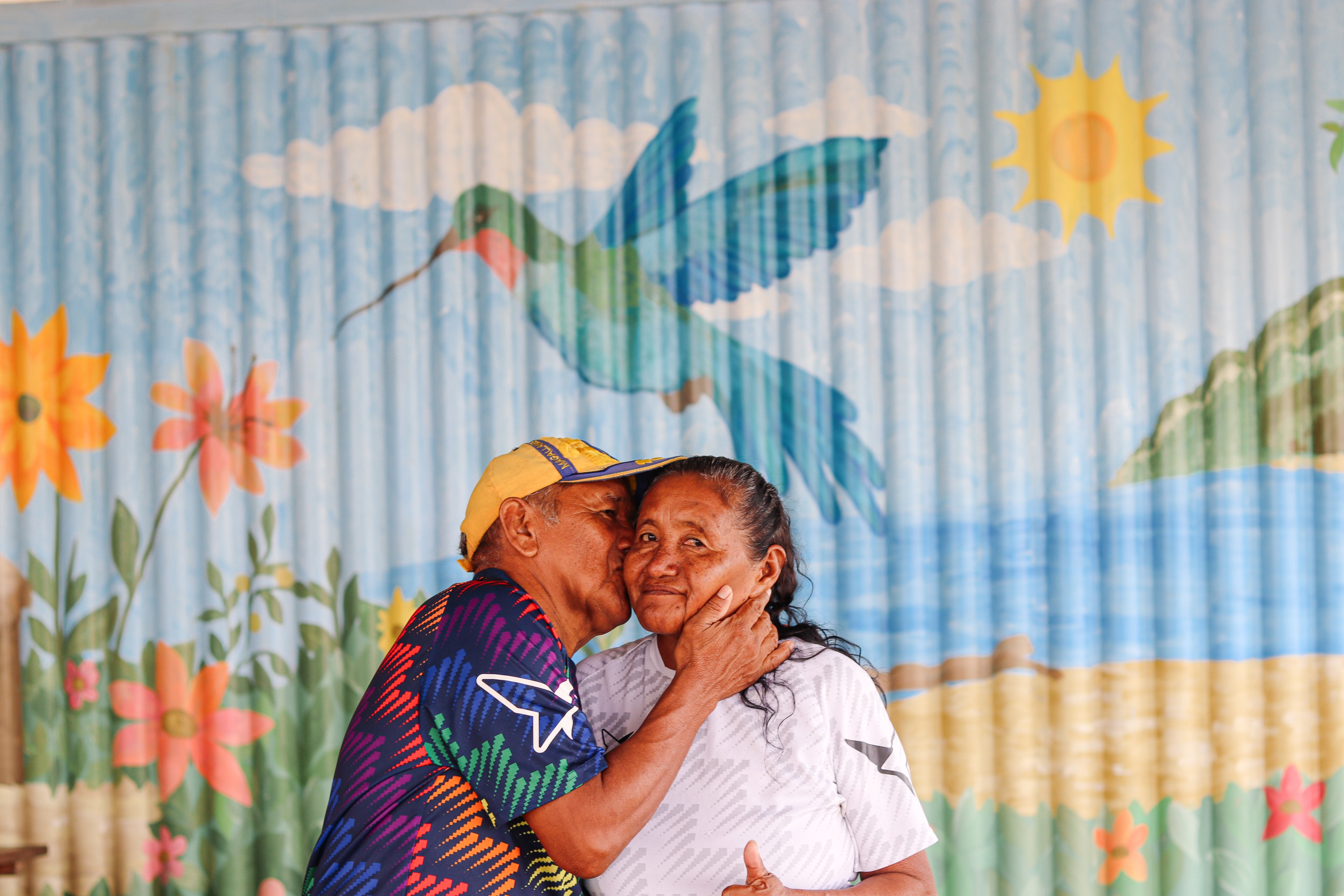
Two years. That's how long KLABU Boa Vista has been running in the Waraotuma a Tuaronoko shelter. On its second anniversary, the celebration is in full swing.
The clubhouse hums with energy. Voices overlapping, laughter rising. Señor Hermes, one of KLABU's oldest members, shouting "Goaaaaal!" through the loudspeakers. He's been here since the start. His voice has become a familiar beacon, the sound that tells you you're in the right place. Two years later, Boa Vista without him is simply unimaginable.
Around 1,500 people from eight indigenous Venezueland communities live in the Waraotuma a Tuaronoko shelter. The so-called 'lighthouse' KLABU sits at the centre of it.
Five days a week, the pitch fills. Football, volleyball, futsal, running. Then there's pelotica de goma, a game many here grew up with, now played again far from home. Come to the clubhouse on any given afternoon: a table tennis match mid-rally, chairs pulled into a circle, a football match flickering on the screen. Groans. Cheers. These aren't just activities on a schedule. For a community that navigates asylum, distance, and an uncertain kind of waiting, these activities make this place feel like somewhere you belong.
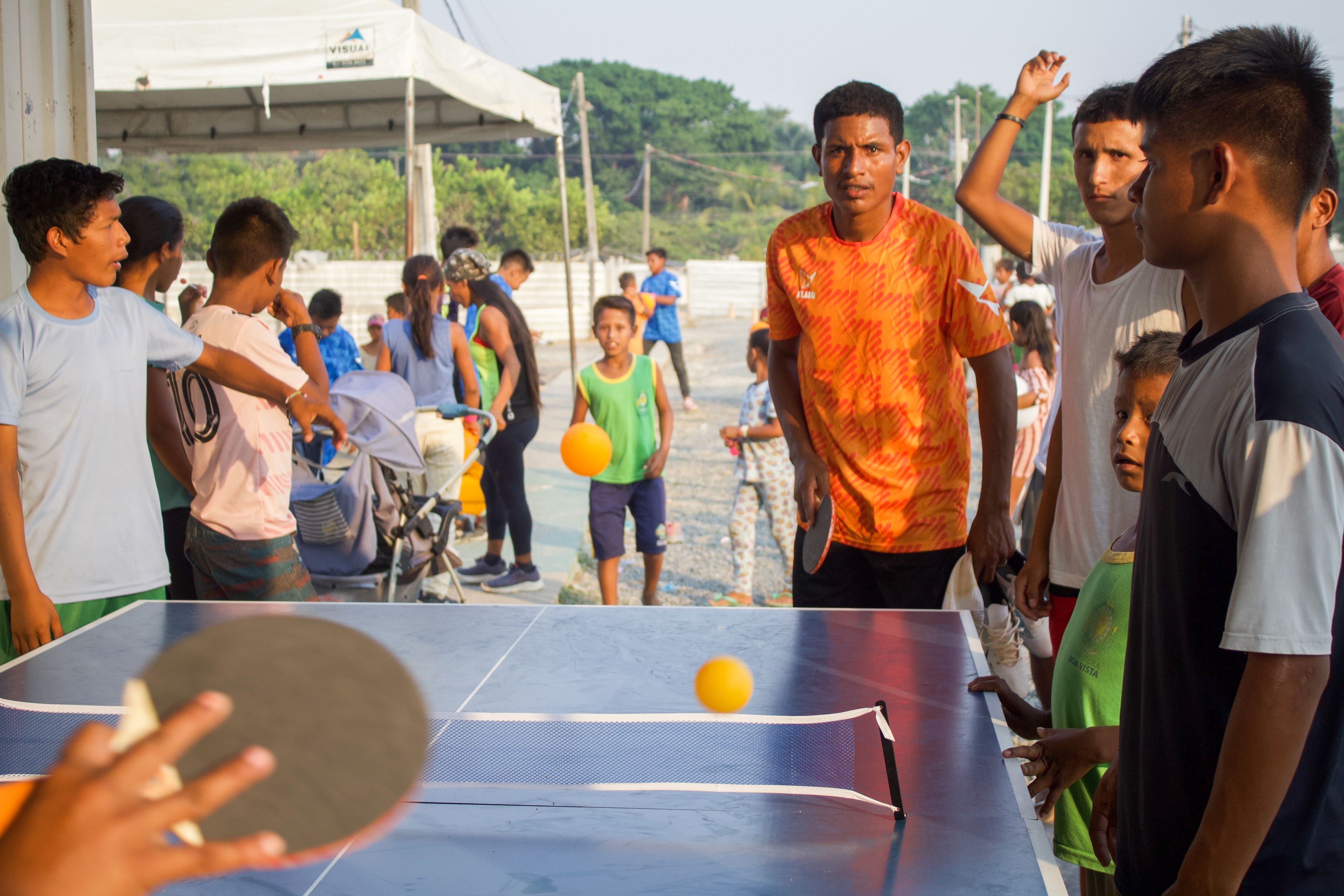 Boa Vista hosts a variety of activities: from table tennis...
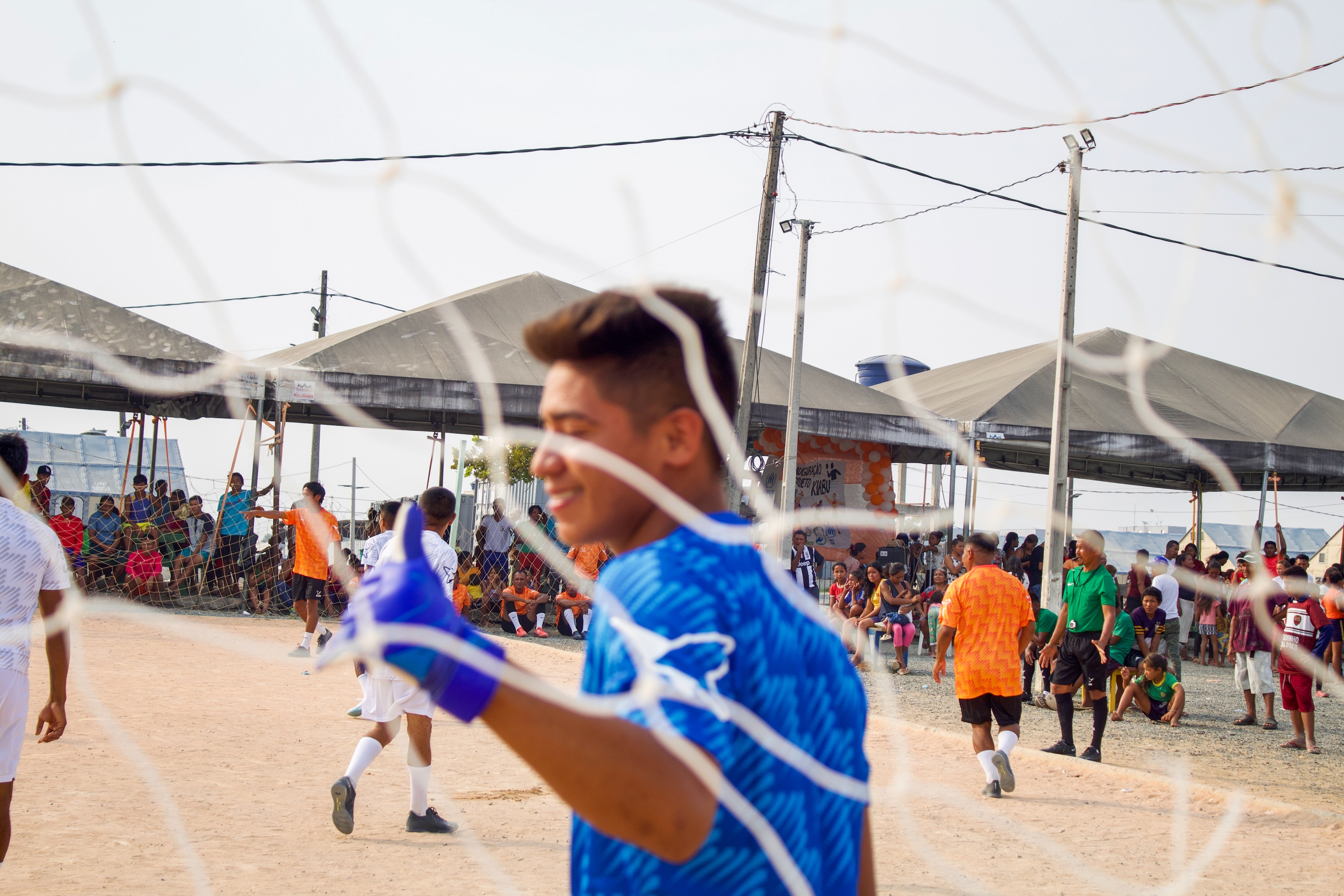 to daily football matches..
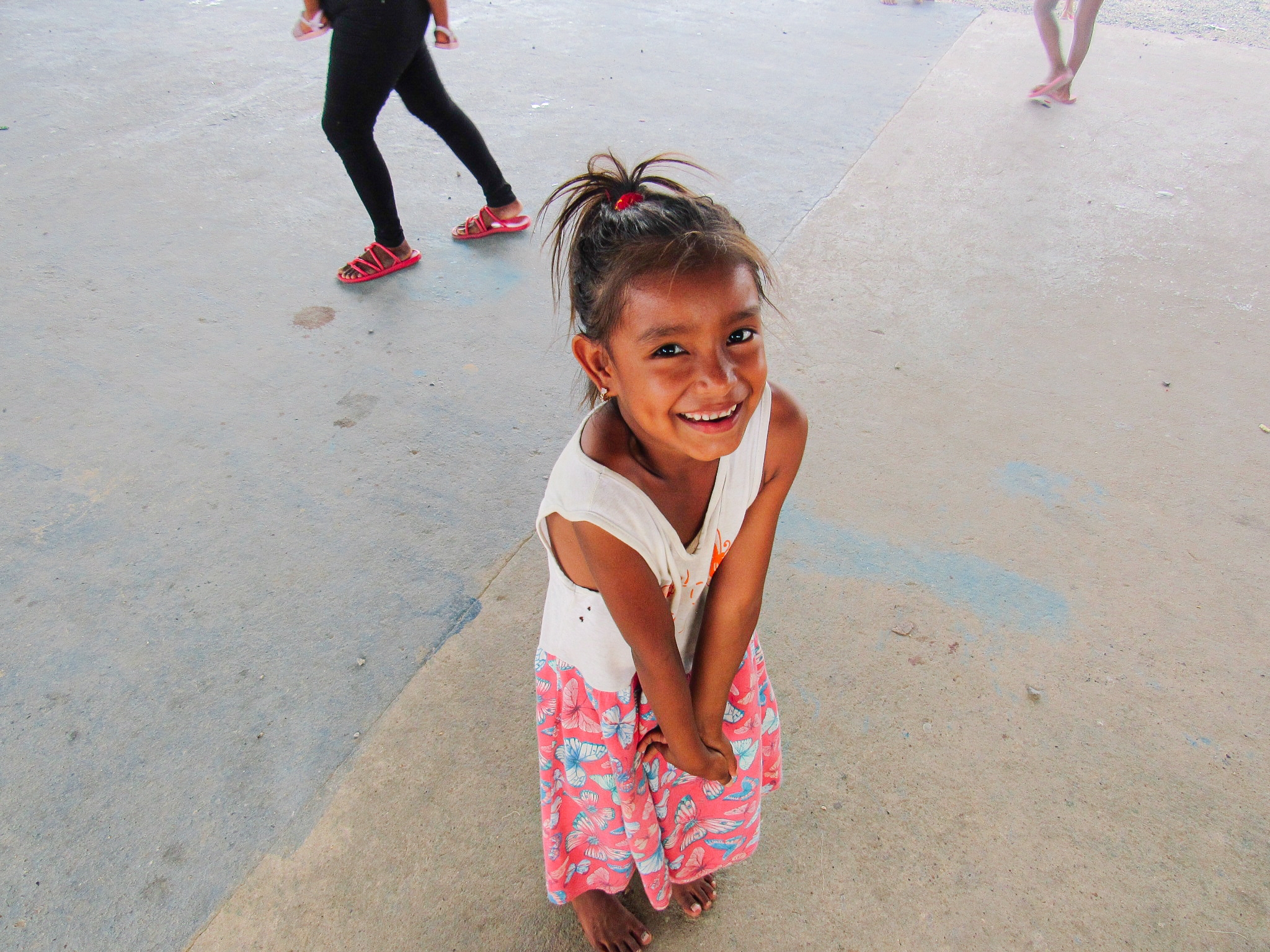 activities for young kids...
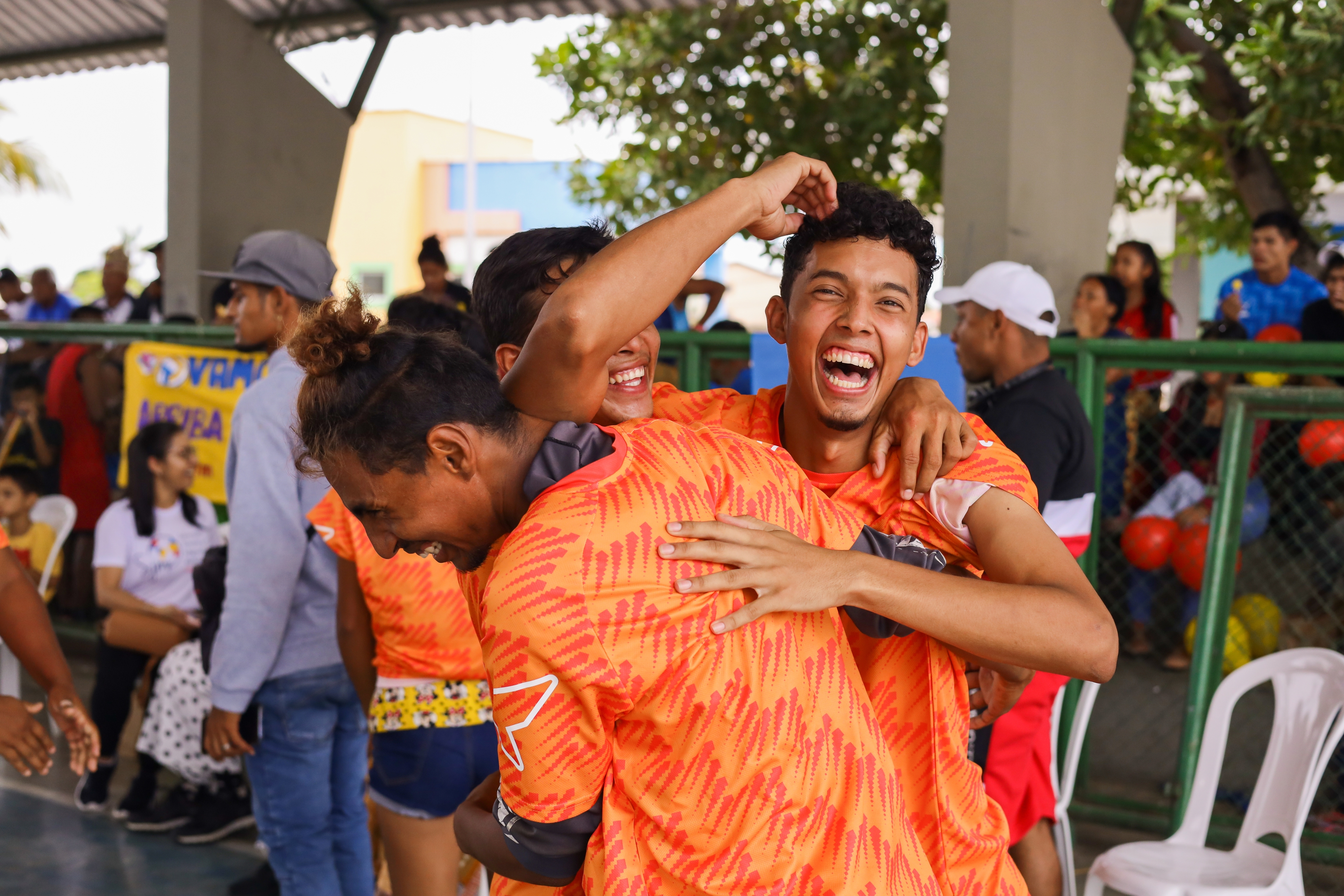 various sports tournaments and celebrations...
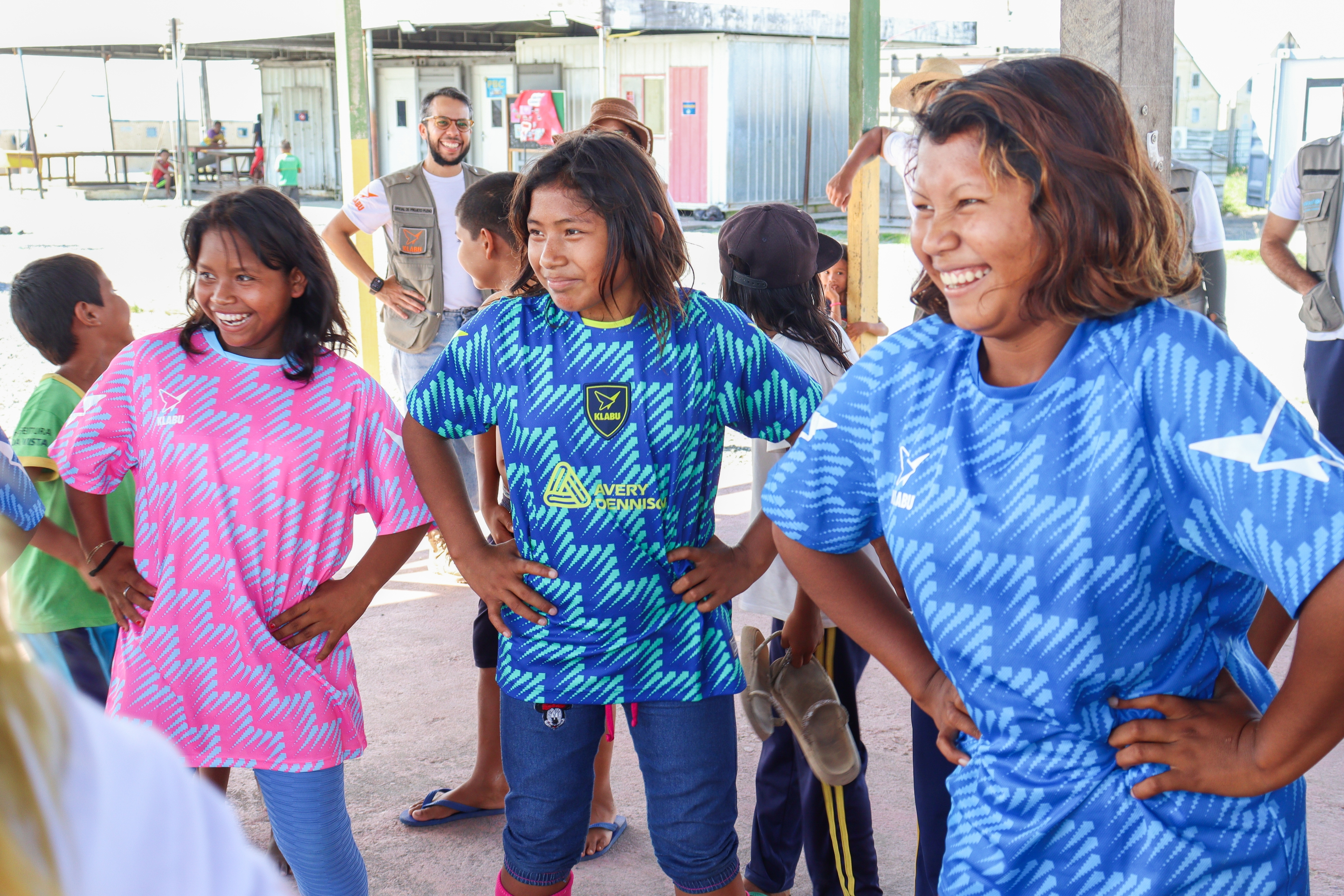 to social activities and get togethers.
Built by the people, Boa Vista is driven by its volunteers.
Here, there’s never a fixed group. People arrive at the shelter in the middle of their asylum process. Some stay weeks, others months. In practice, many people have moved through KLABU’s doors - not just as participants but contributors. The team is always shifting, learning how to manage the library system and respond to the wishes and needs of their community. Community members, who take care of each other. At the end, they receive a certificate, proof of their dedication and learnings.
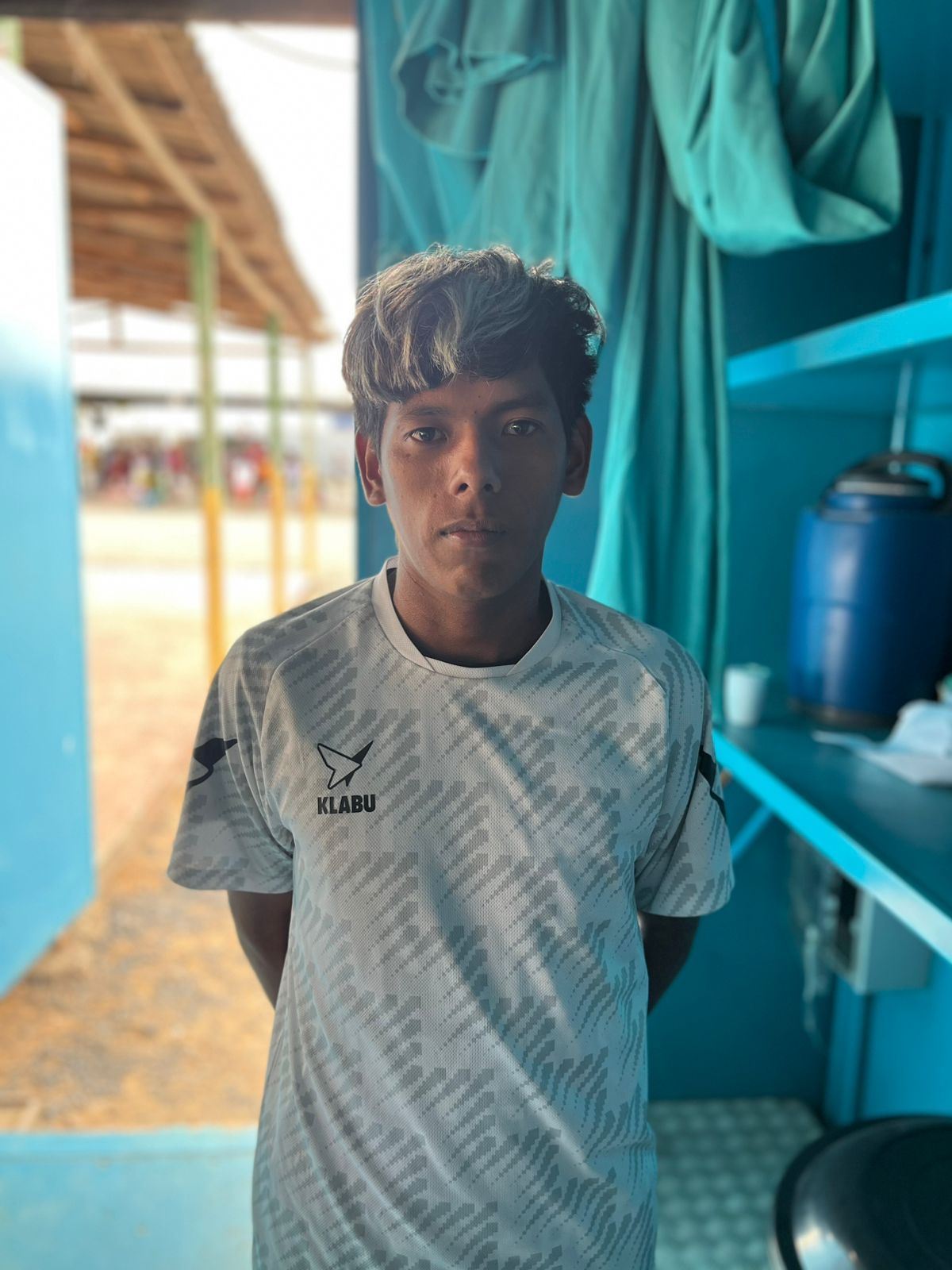 2026 Volunteer: Jesus
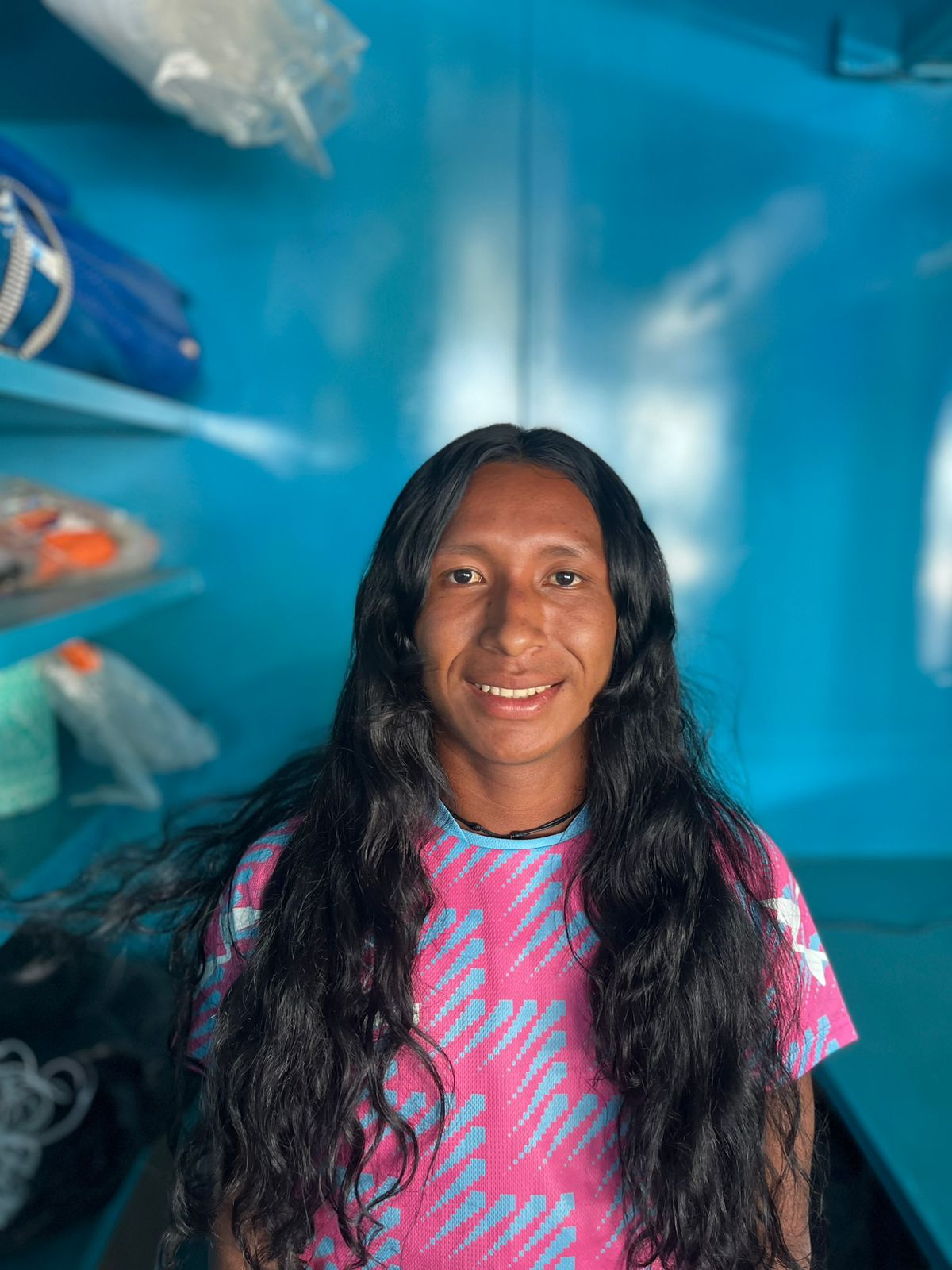 2026 Volunteer: Mirianys
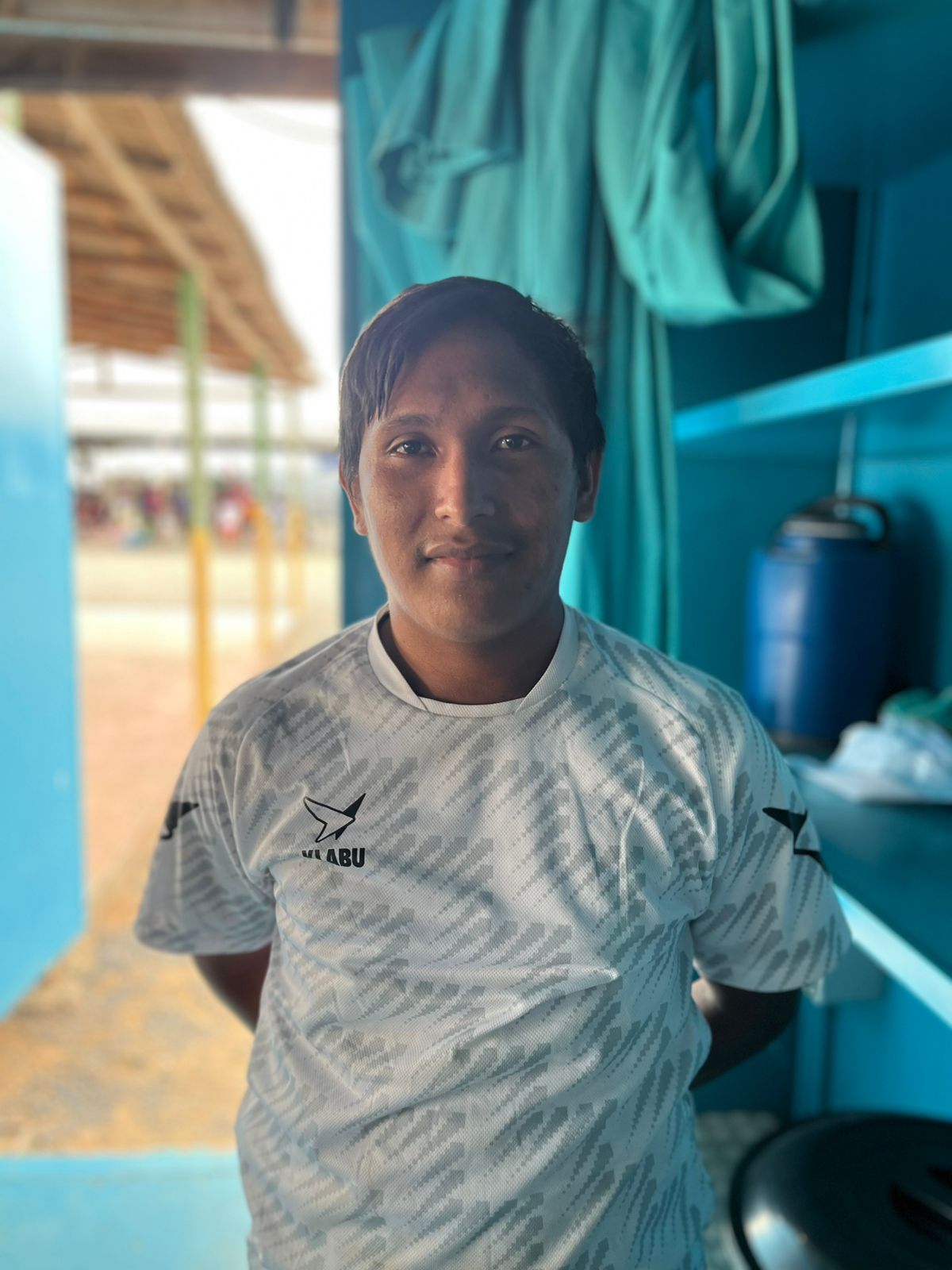 2026 Volunteer: Yonathan
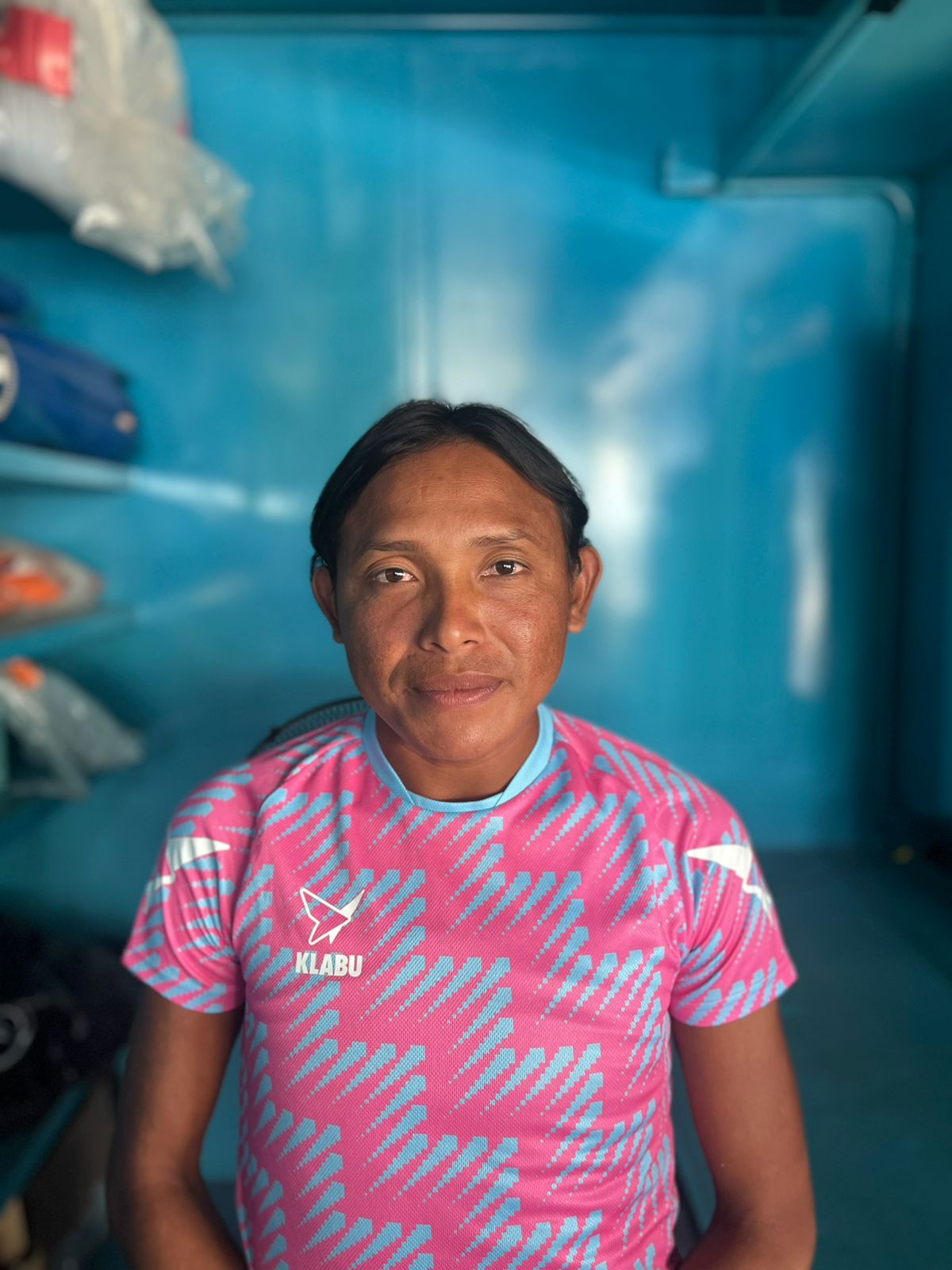 2026 Volunteer: Paola
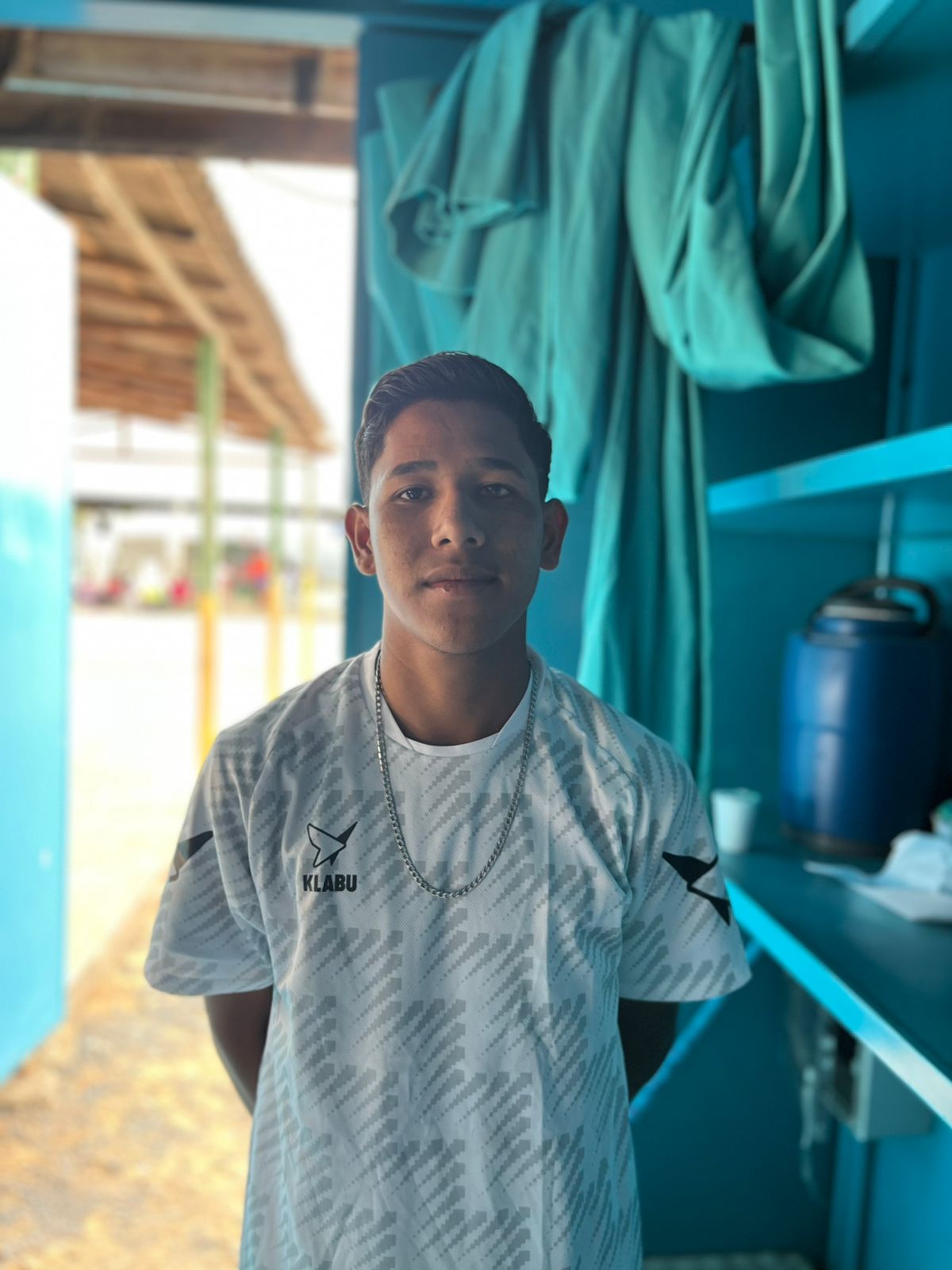 2026 Volunteer: Cristian
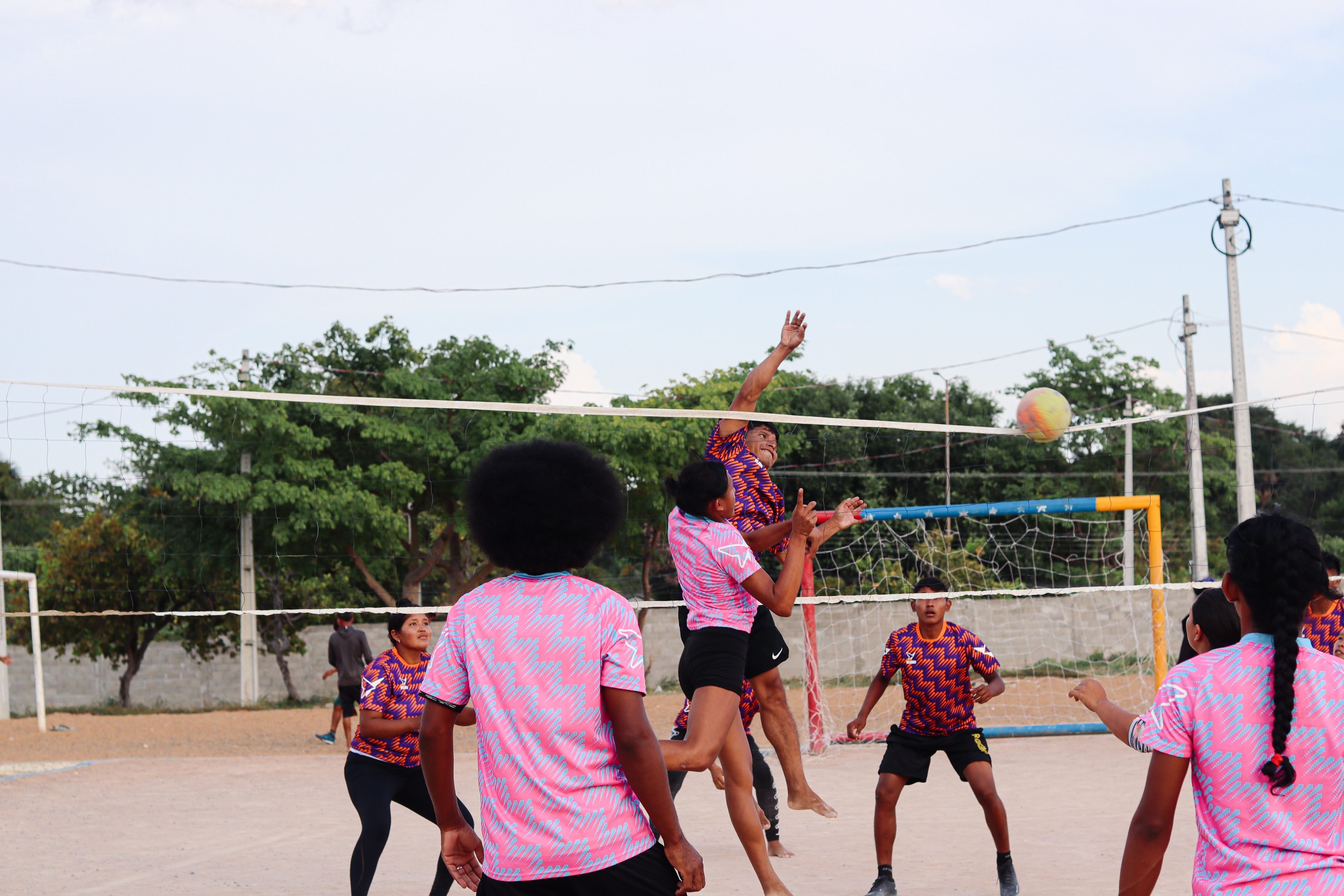
Every afternoon, just as the sun starts to soften, the volleyball net goes up.
About 25 women and LGBTQIA+ members show up, form teams, and play until just before sunset.
Mauricela, an indigenous leader from the shelter, smiles: "We play in the late afternoon because the sun is softer - and it's when women finally have time, after everything else, to come and enjoy."
Moraleda Rivero, mother of three, didn't play at first. She watched. Then she saw other mothers like Mauricela on the court, and they called her in. Now she's calling for the ball.
For many, the scene itself was new. "An event with only women playing. The first time I saw only women playing volleyball and football too."
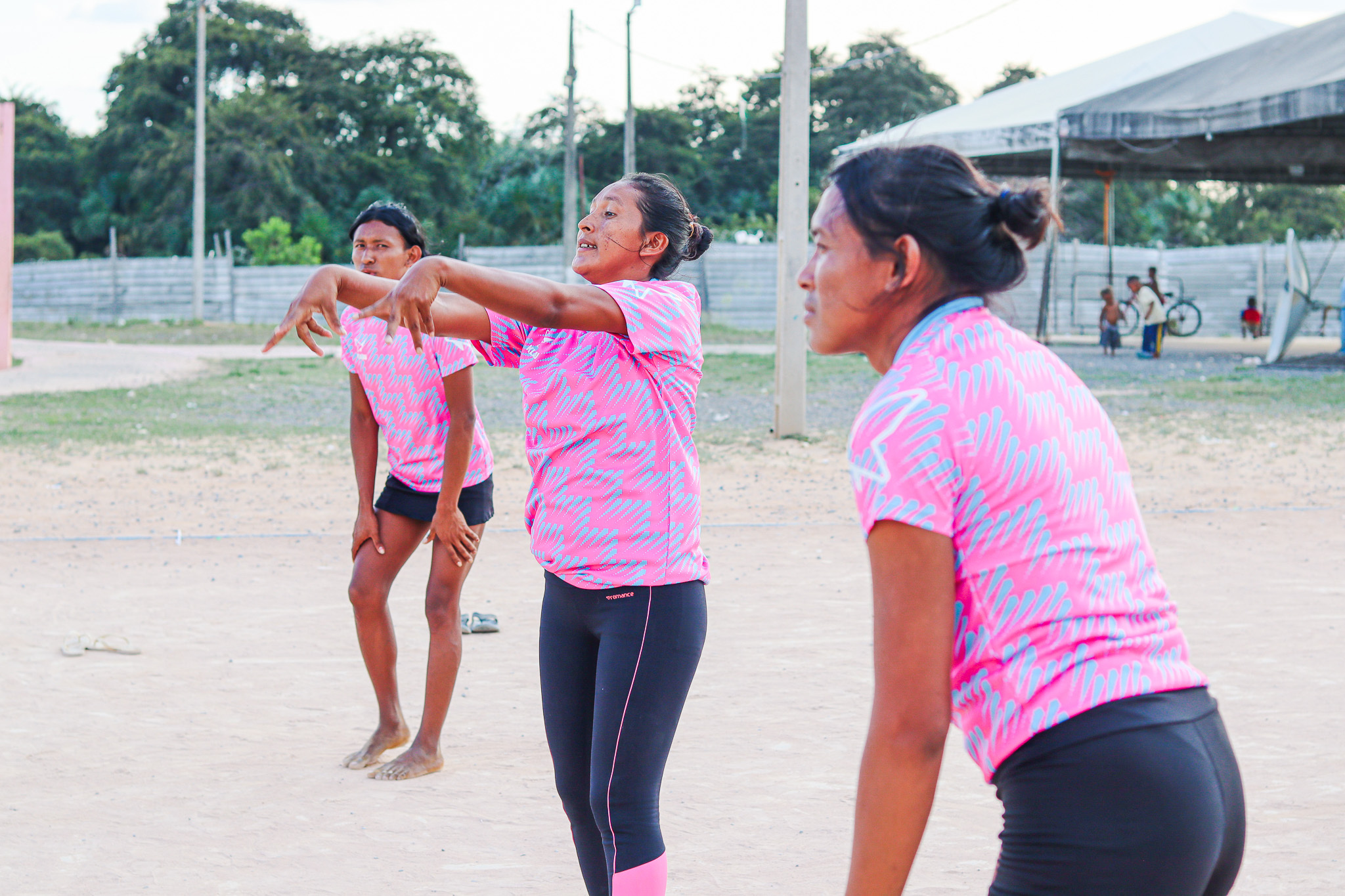 Community leaders Mauricela and Paola playing volleyball together
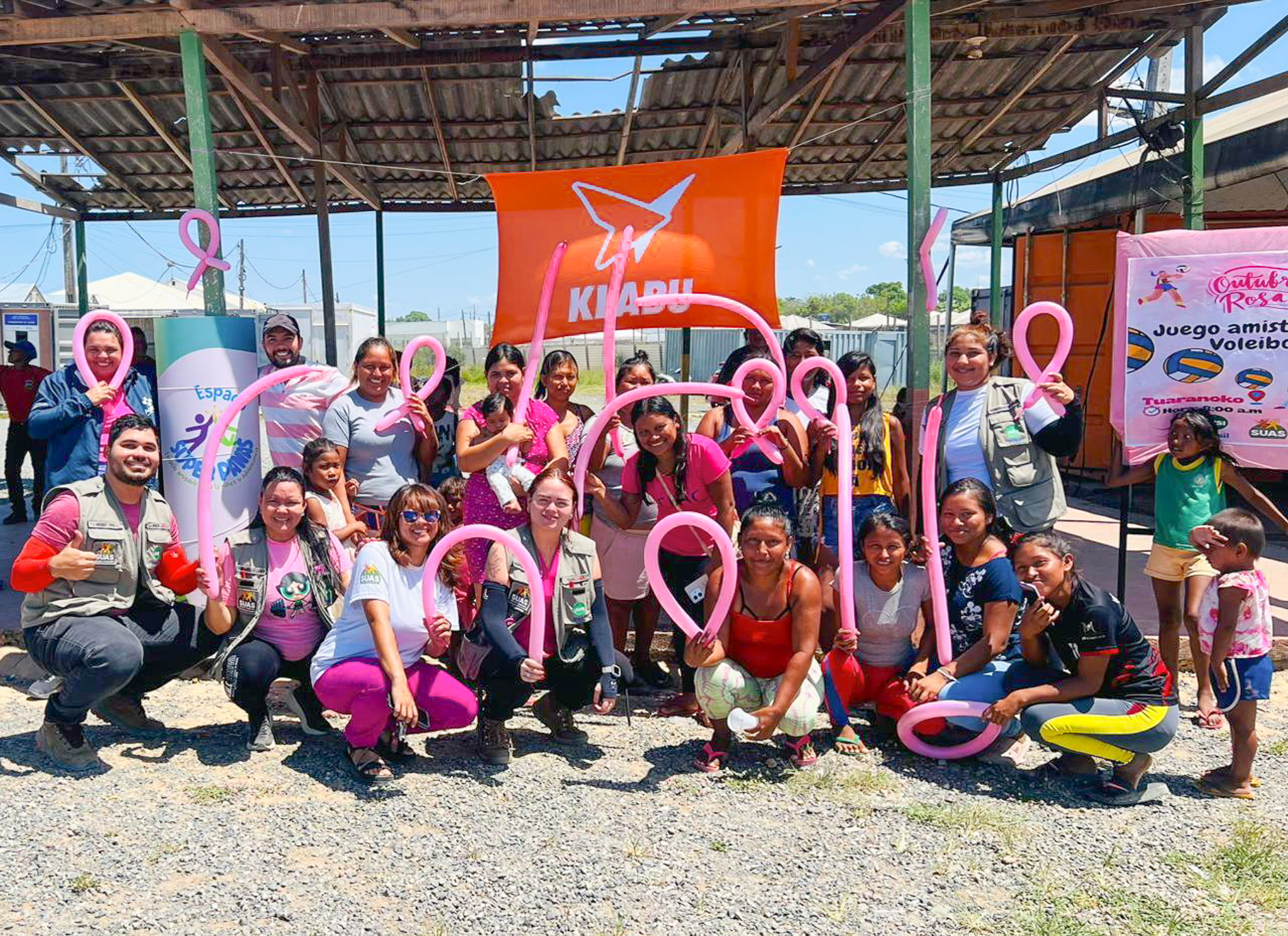 Volleyball tournament to raise awareness for breast cancer
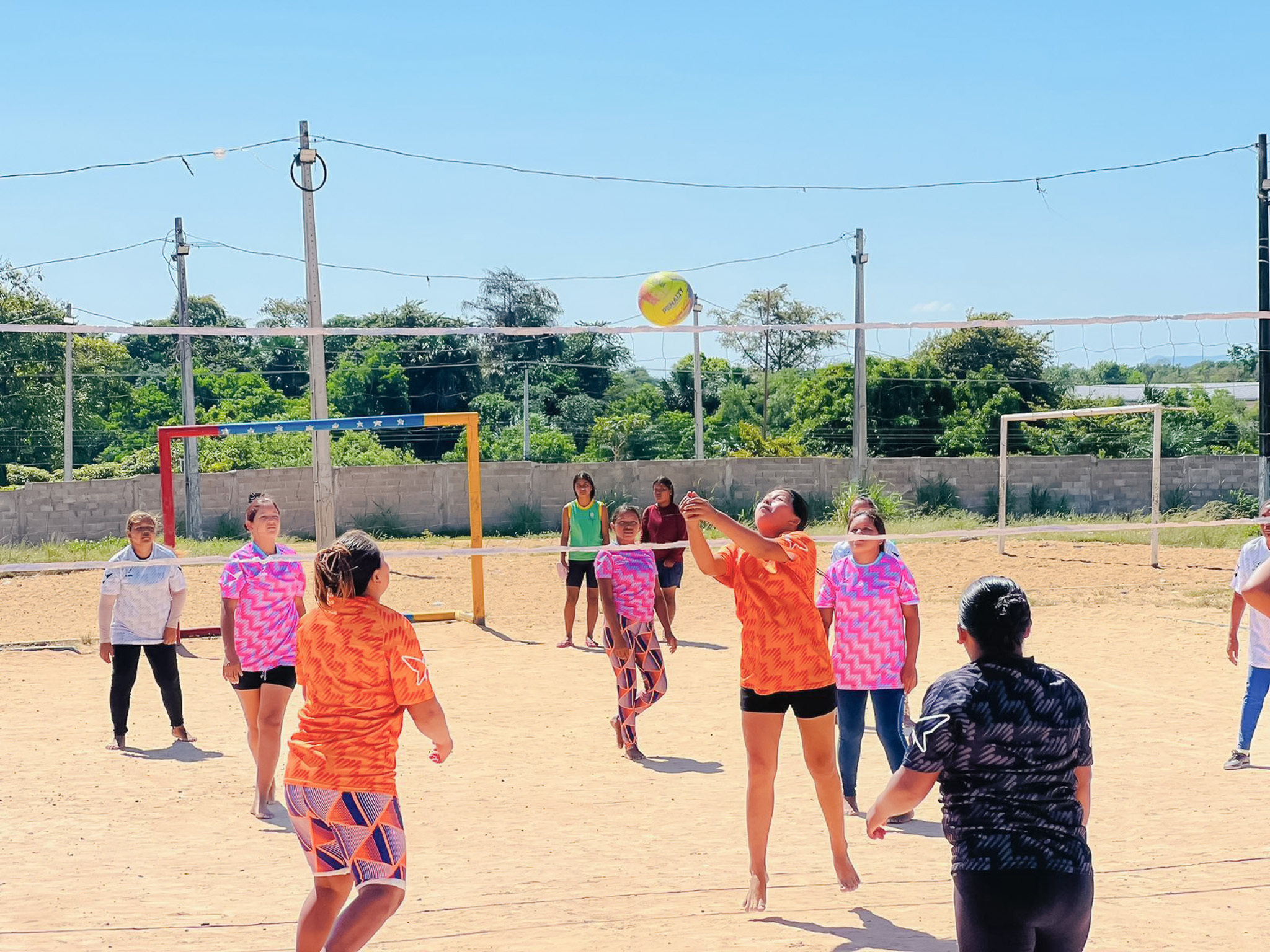 About 25 women and LGBTQIA+ members get together each day to play
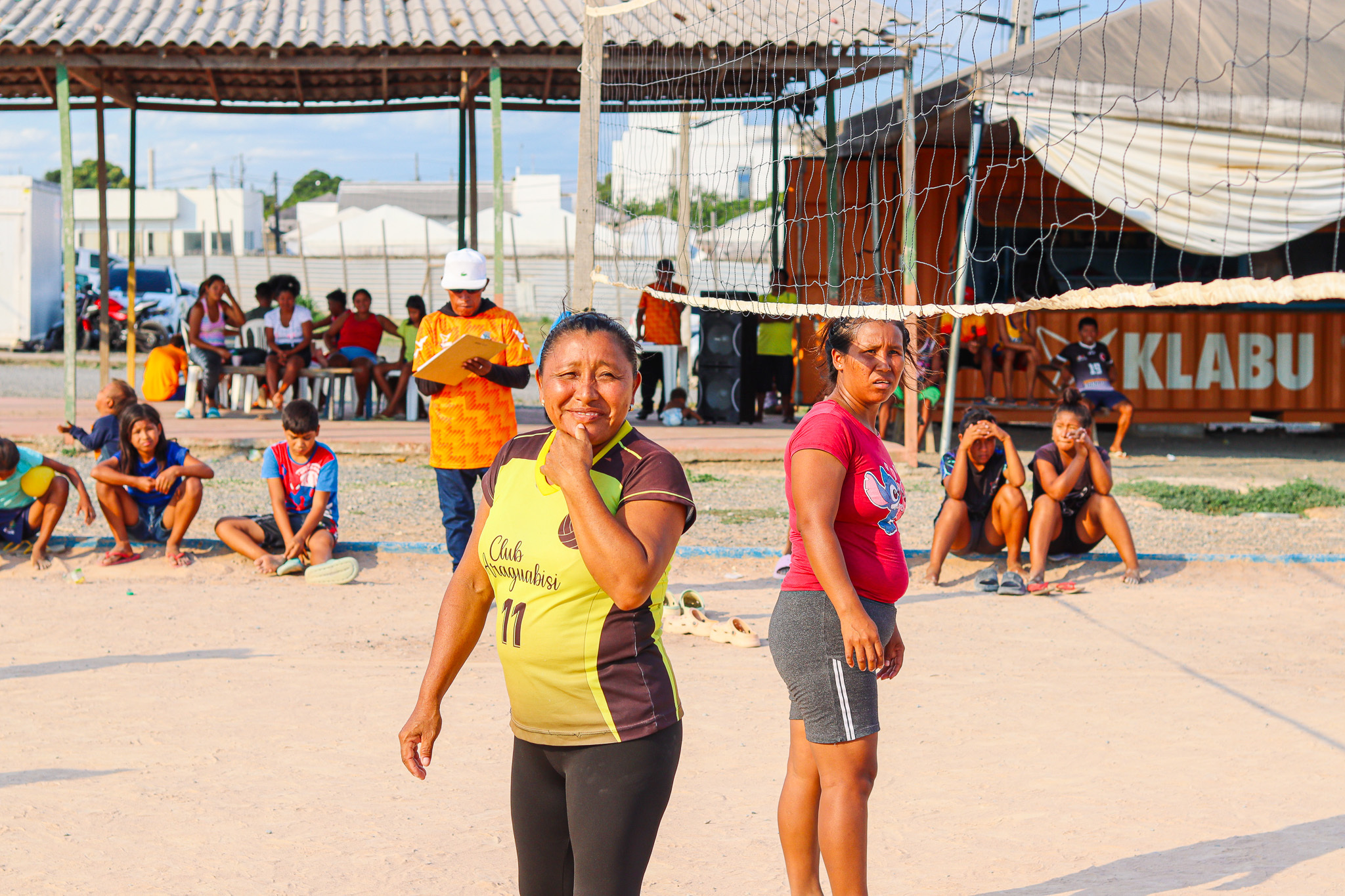 Fuencisla is one of the mothers who plays volleyball regularly
KLABU Boa Vista started with sports. But it didn't stay there.
When a group of young men asked for a safe space to talk, the neo-masculinity workshops were born. Led by KLABU's own Thiago, the sessions gave young men room to share what it actually feels like to be a man, pushing back against the weight of macho culture, connecting with each other somewhere other than the pitch.
Rafael, a leader from the Jivi indigenous community, put it simply: "I didn't know this topic existed for men. In Venezuela, men's health isn't really talked about. Being a man isn't about being harsh - it's about showing care."
Community member Paola Abache organised something different: beauty workshops for the LGBTQ community,. Spaces to self-express and represent themselves. An opportunity, to be seen for who you are.
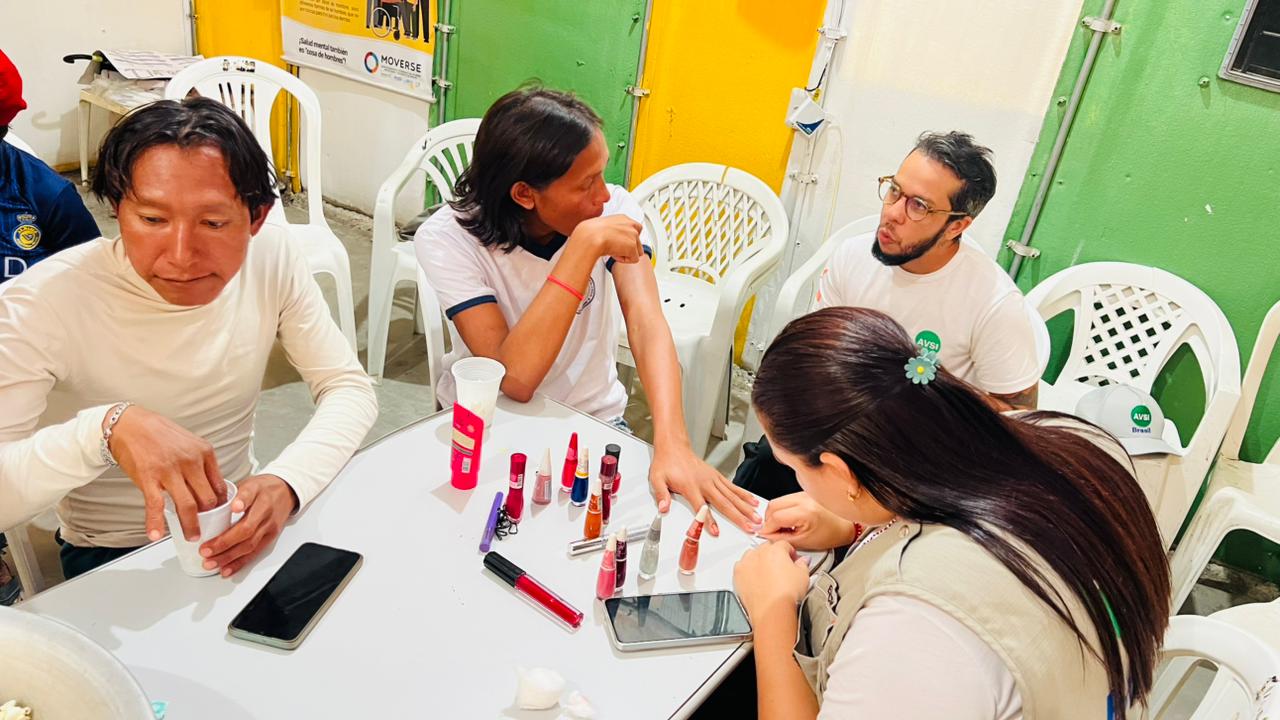
A place to connect and socialise beyond sports
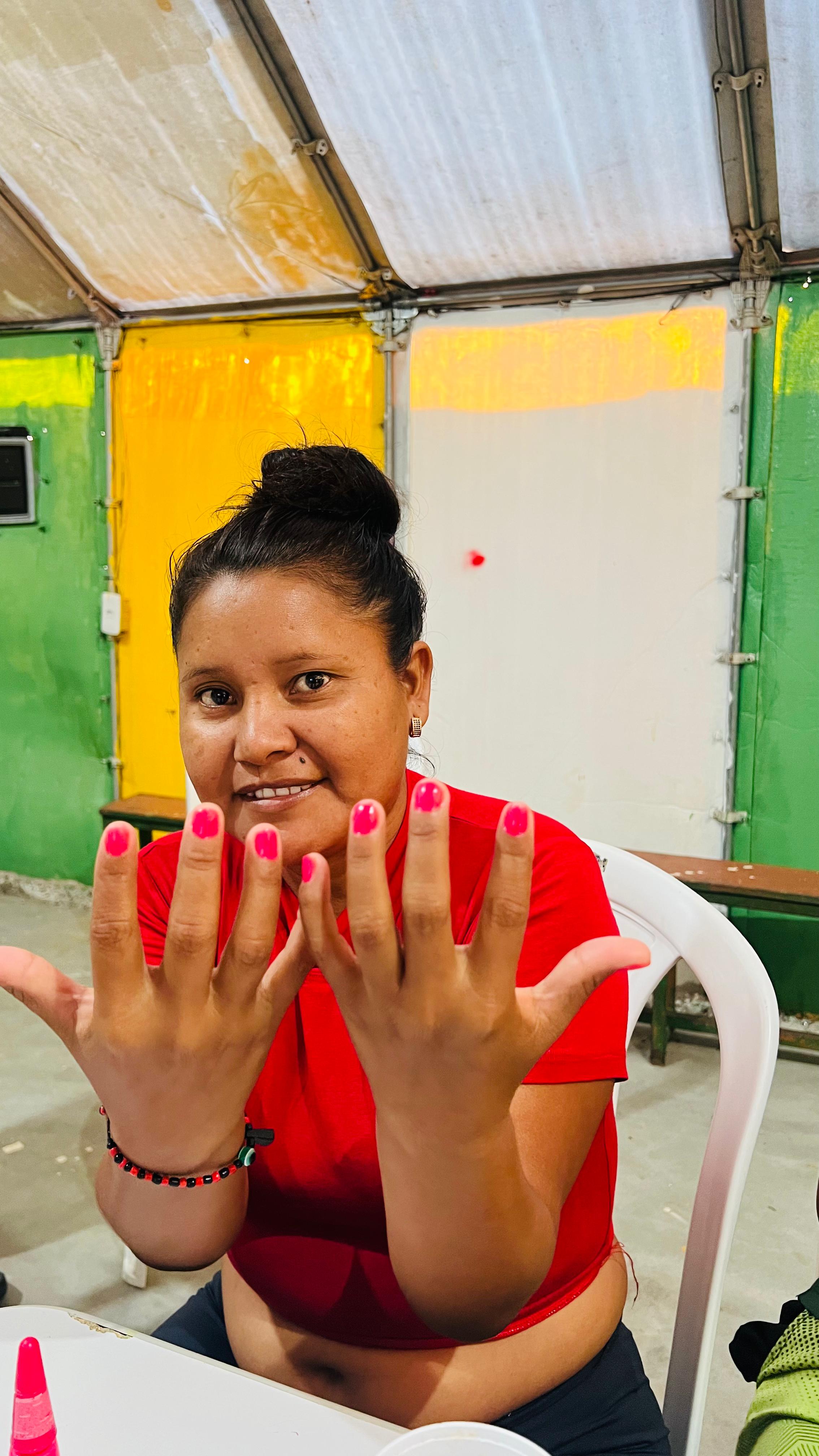
Melania showing off her new nails
Local celebrations, community style.
Whether Children's Day, Christmas or Carnival, the community made each holiday its own. Venezuelan and Indigenous traditions met Brazilian customs. The result was something new. An ongoing negotiation: honoring where you're from while building something in the place you are. KLABU Boa Vista holds space for both.
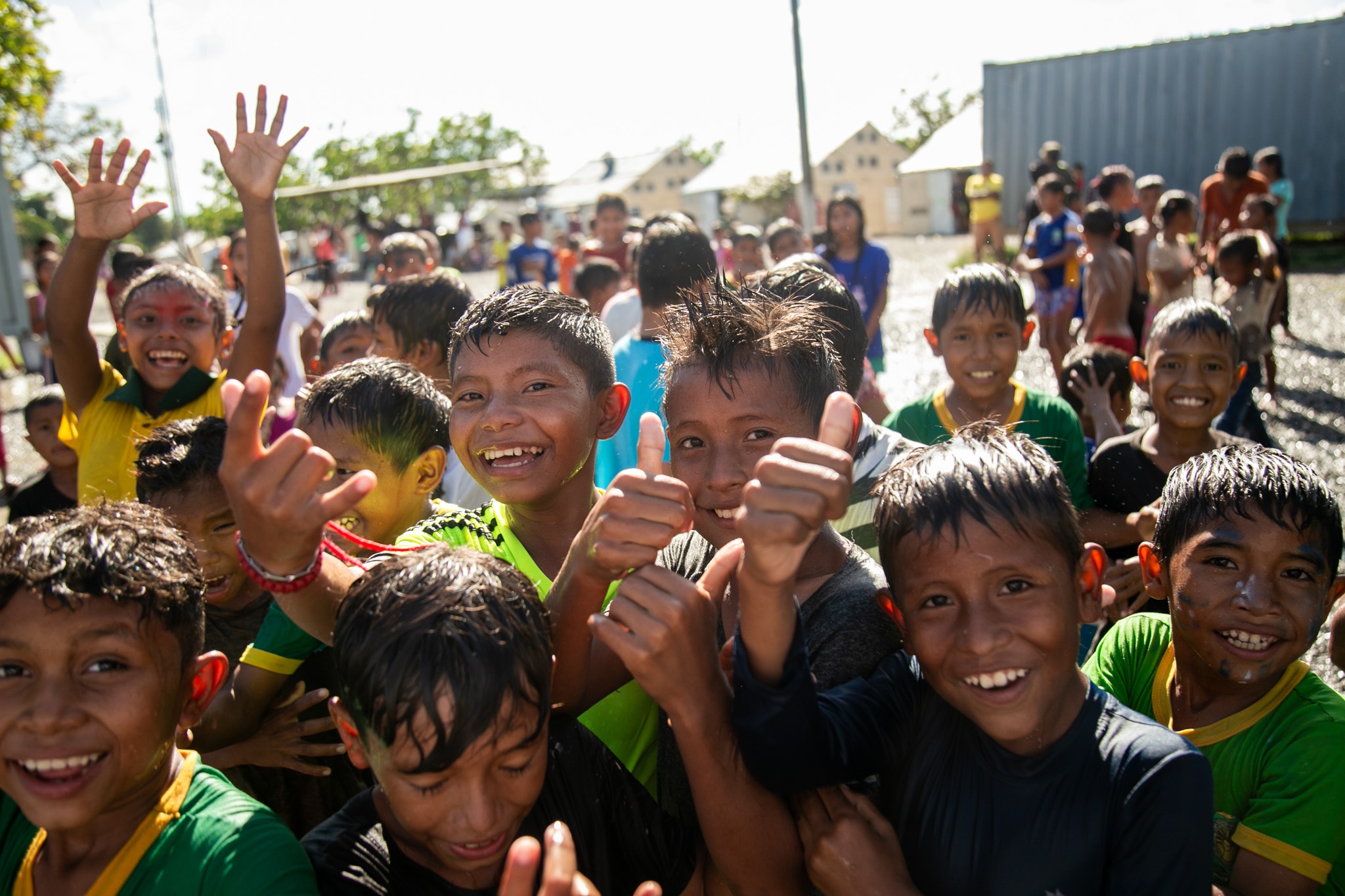
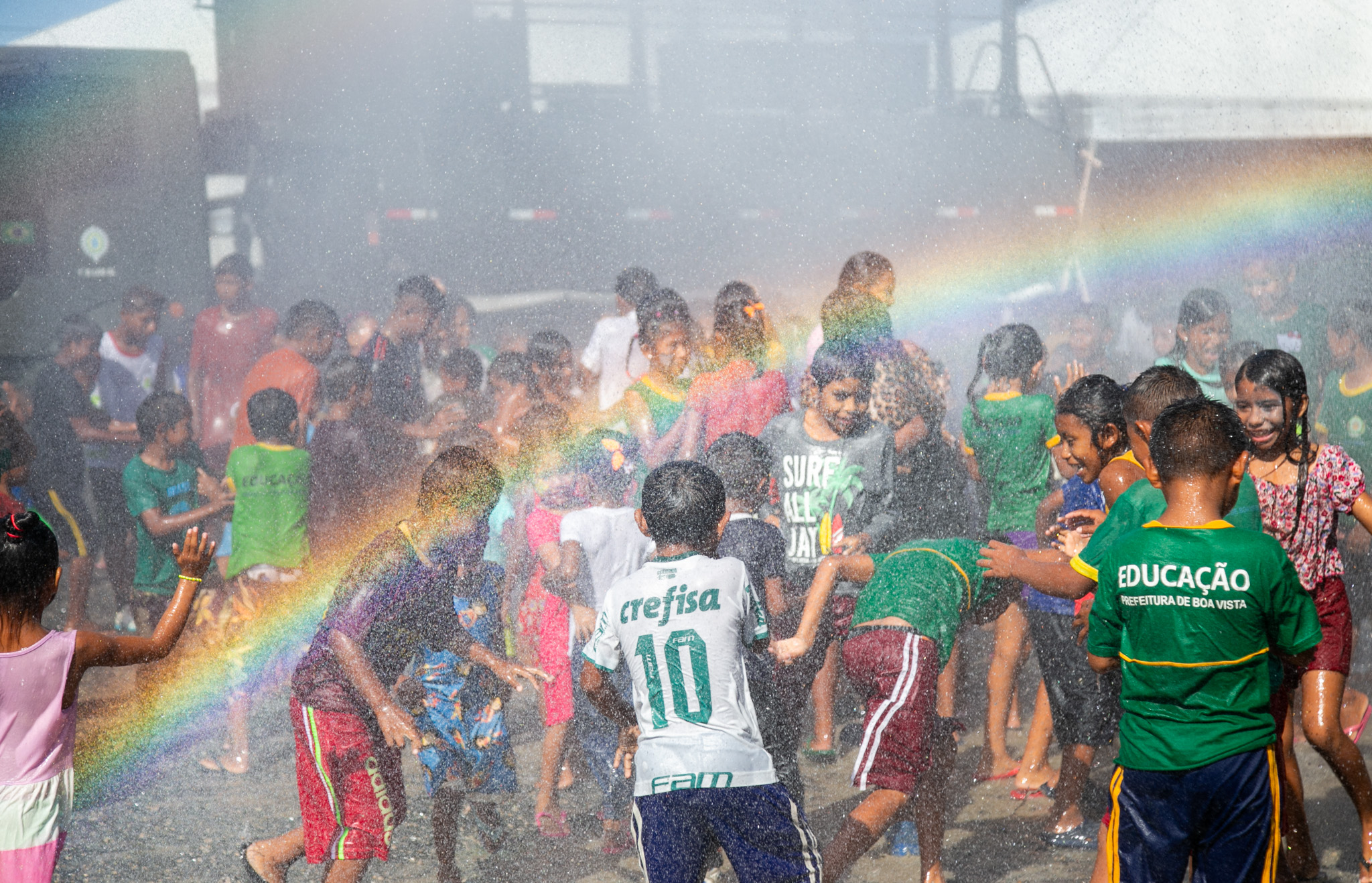 Children's Day in Boa Vista: water fights and games to cool off in the heat
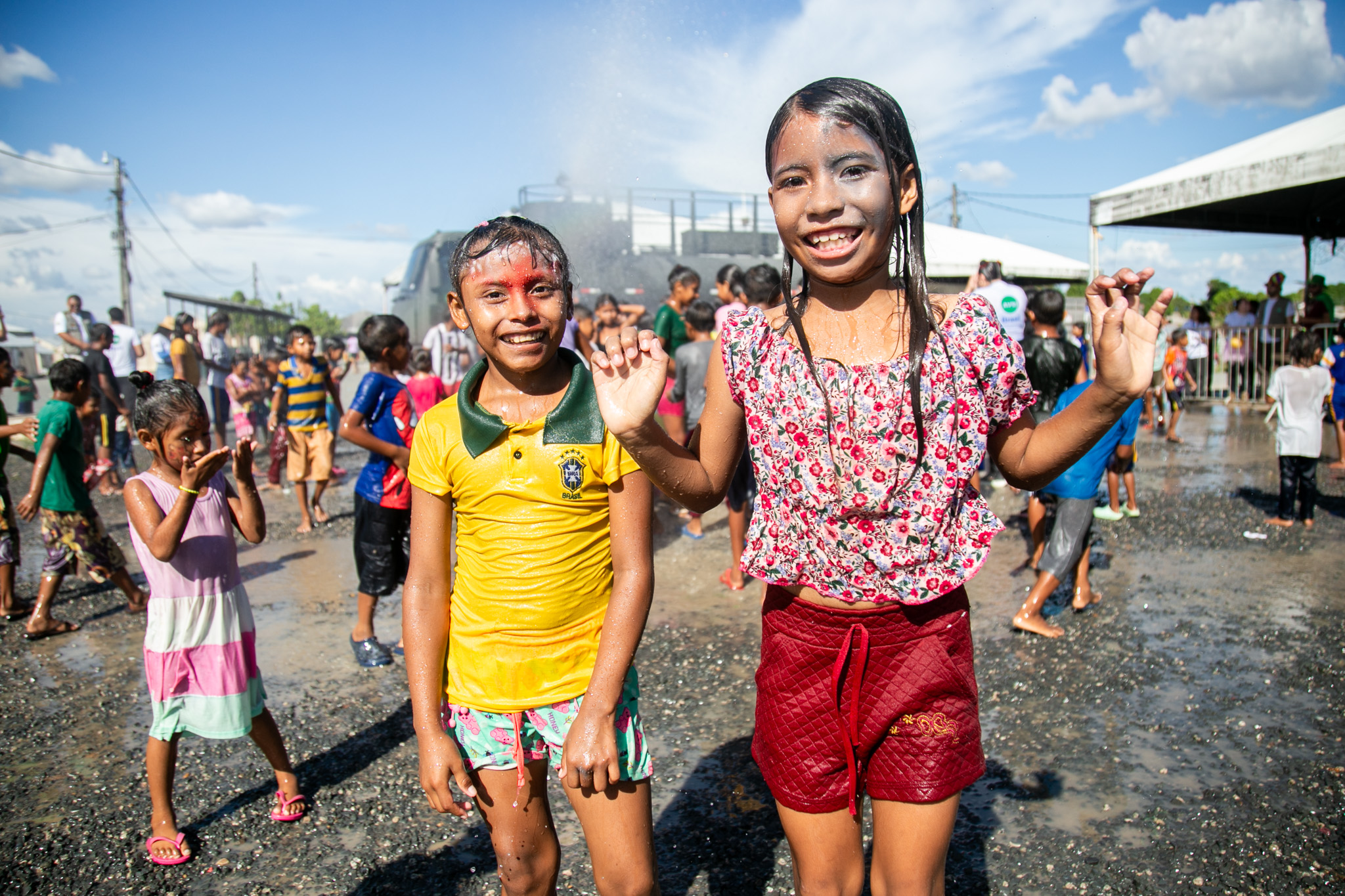 Two friends posing for the camera - completely drenched but happy!
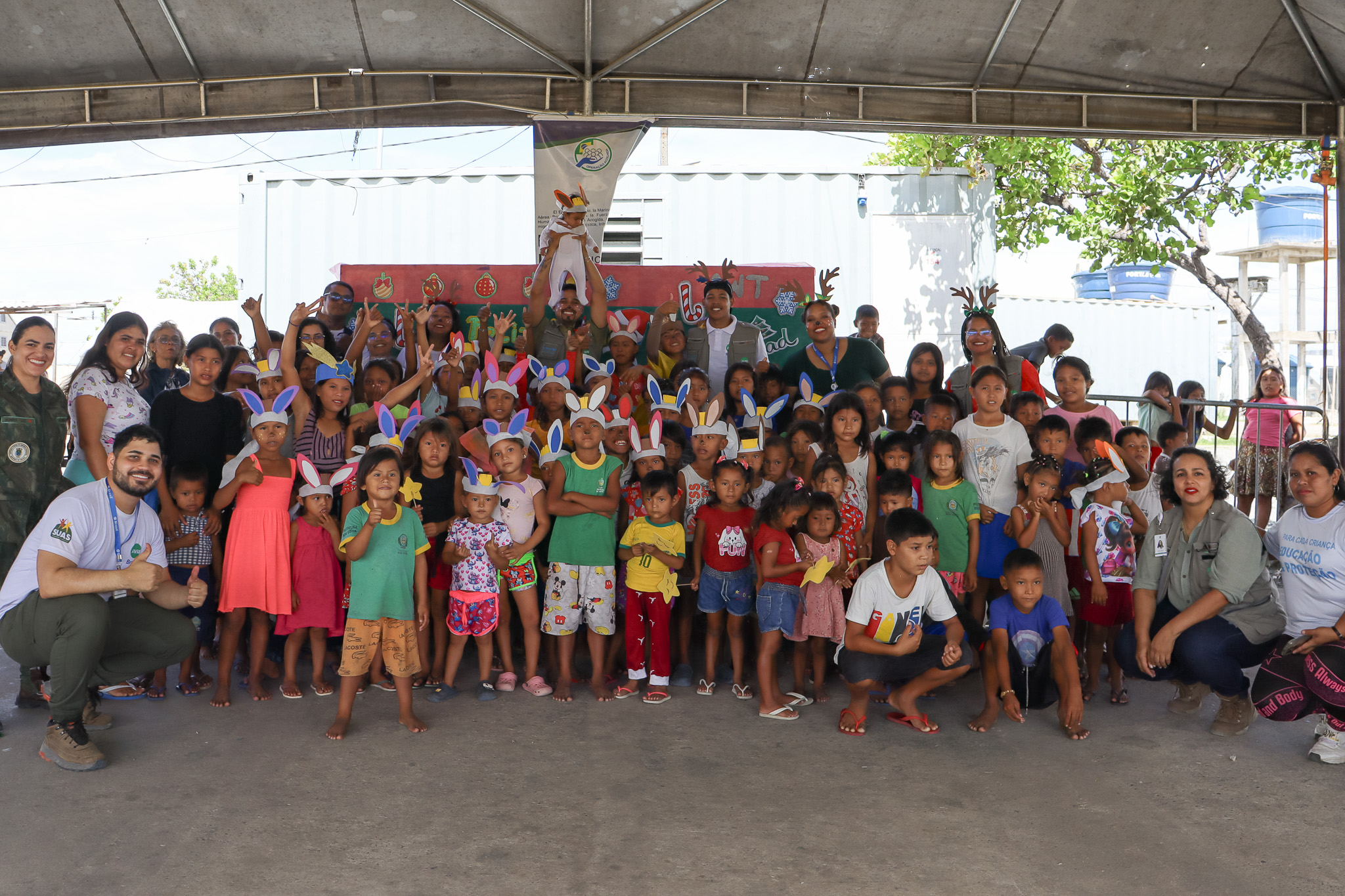 Honouring Mi Burrito Sabanero, a Venezuelan Christmas tradition, kept alive in Boa Vista
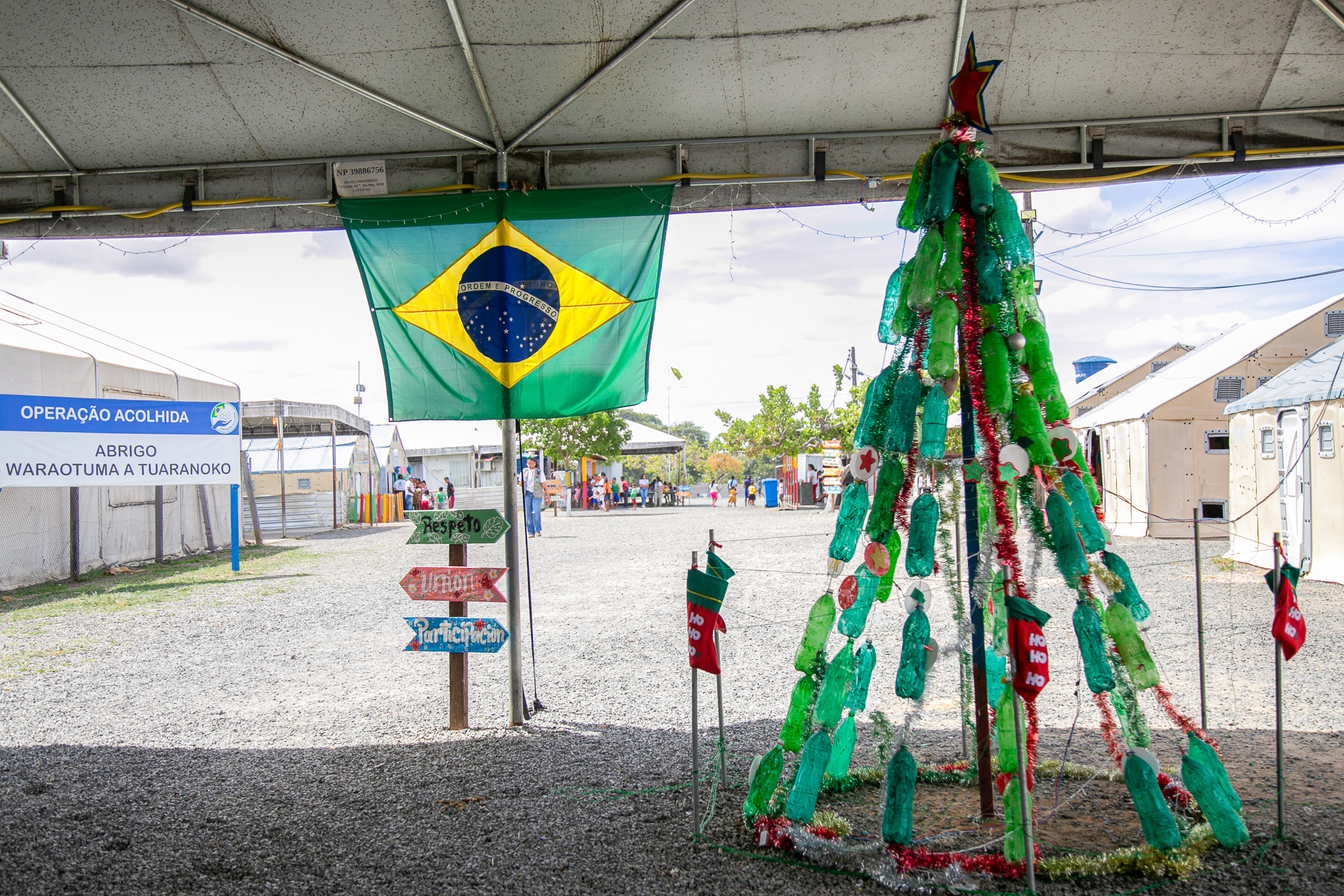 Community cleanup: plastic bottles are refurbished into a DIY Christmas tree
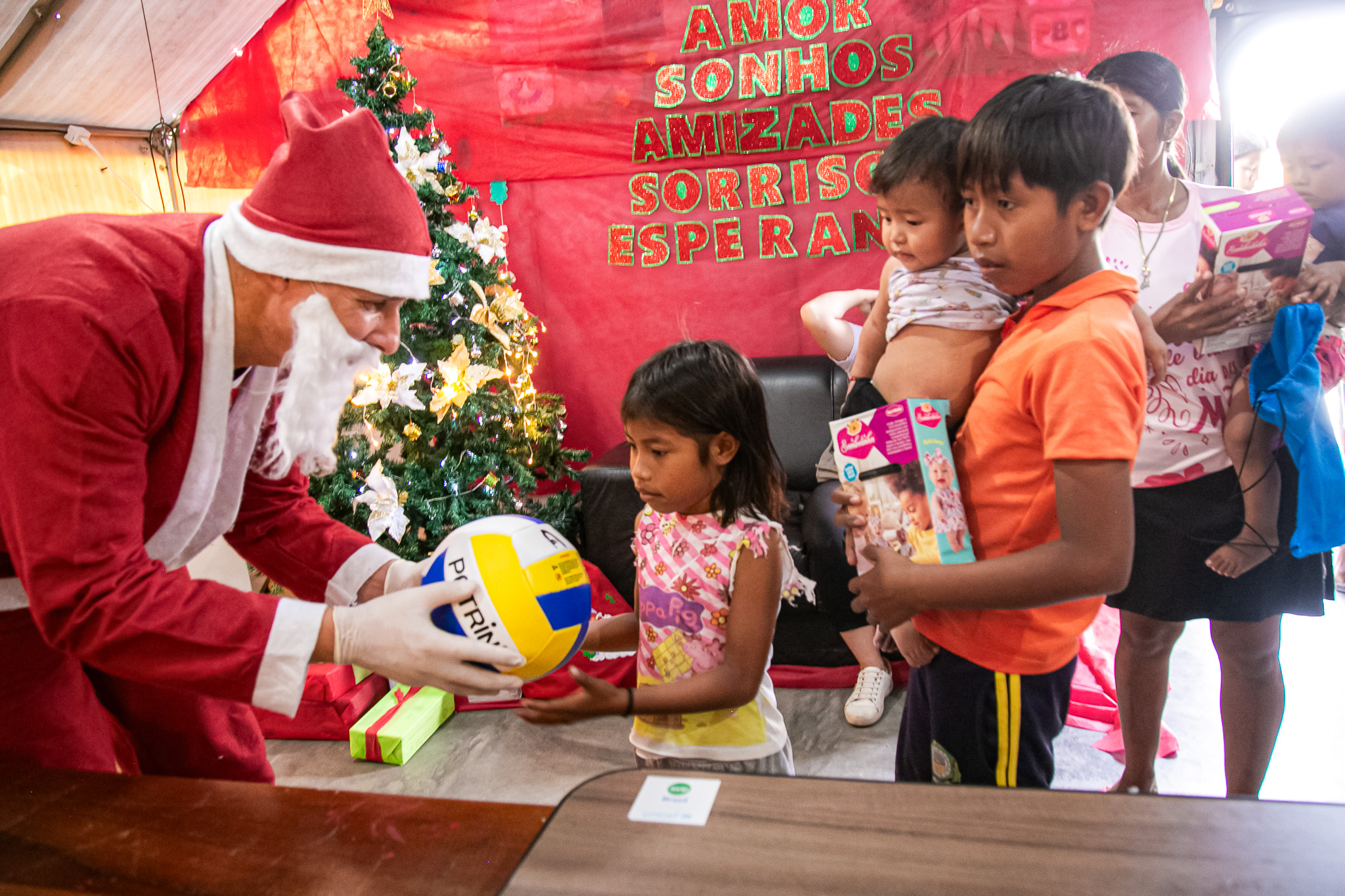 Community members received Christmas gifts from the AVSI team, KLABU's local partner
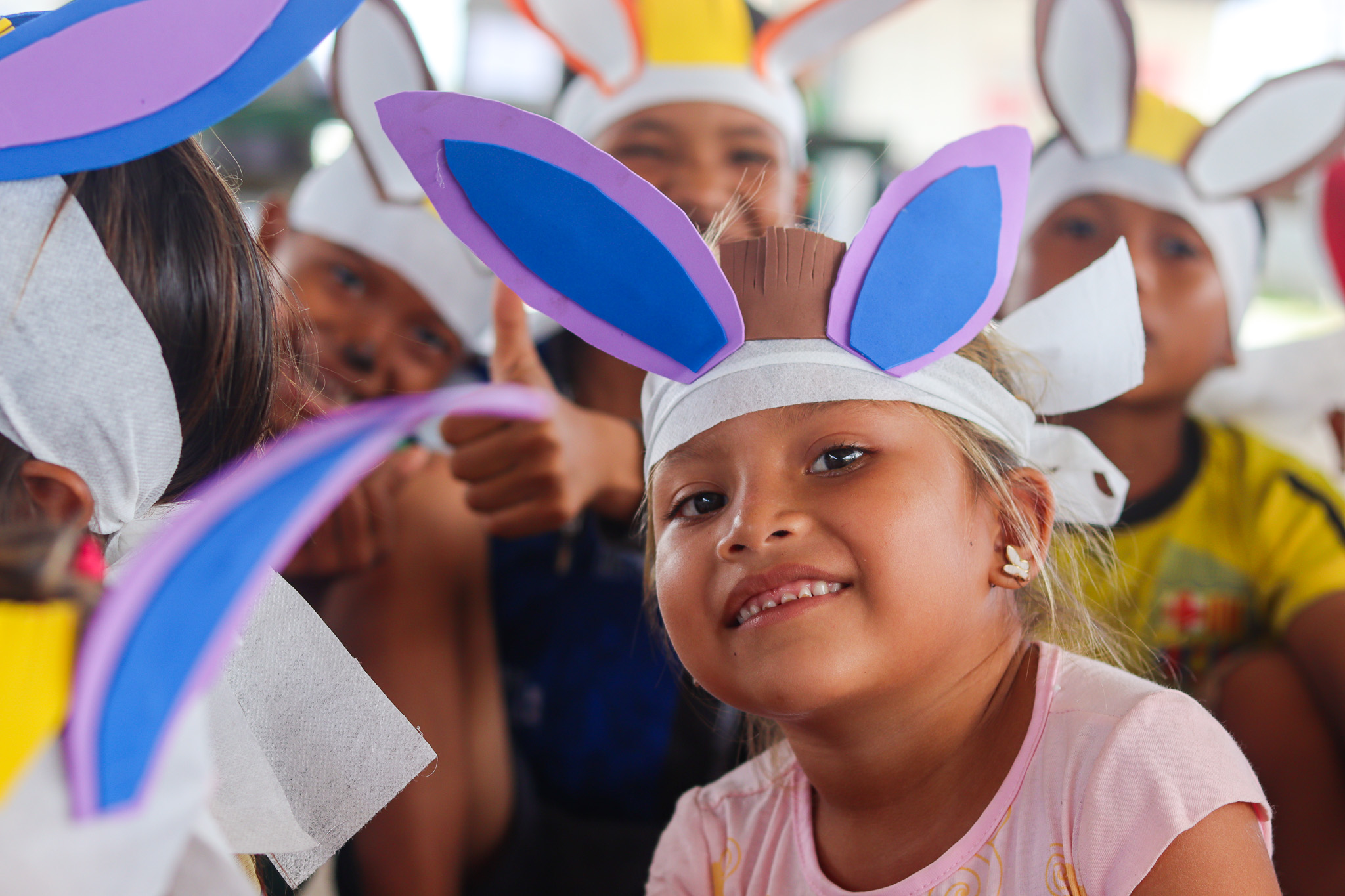 A little girl dressed up as a donkey to celebrate Christmas
"Sports are passion, sports are joy. And regarding KLABU's work, I see it as a good thing: so that the youth of today can keep moving forward. "
00:00