KLABU's Graduation Strategy
In this article we share how our approach to project programming is centred on preparing every clubhouse to be led and operated locally and independently - which we call ‘Graduation’.
Our goal is to create self-sustaining clubhouses that create moments of joy through sports, today and in the long-term. To achieve this, each clubhouse is designed from the start to become as autonomous and community-led as possible.
A key part is the involvement of a local partner from the start.
This organisation or institution rooted in the community can be an NGO, a municipal or camp authority, a youth organisation or a community-based group. We work closely with this partner throughout the project lifecycle to run the clubhouse, strengthen local capacity and prepare them to take full ownership in the future.
Once we have the right partner, KLABU raises funds to set-up and support the first years of operation. During these years, our project teams work hand-in-hand with a team of clubhouse managers, who are hired locally and are responsible for the daily functioning of the clubhouse. Our project managers provide on-the-ground guidance, training for operations, safeguarding, financial management, community engagement and impact monitoring to ensure the clubhouse grows stronger each year and is eventually ready for full independence.
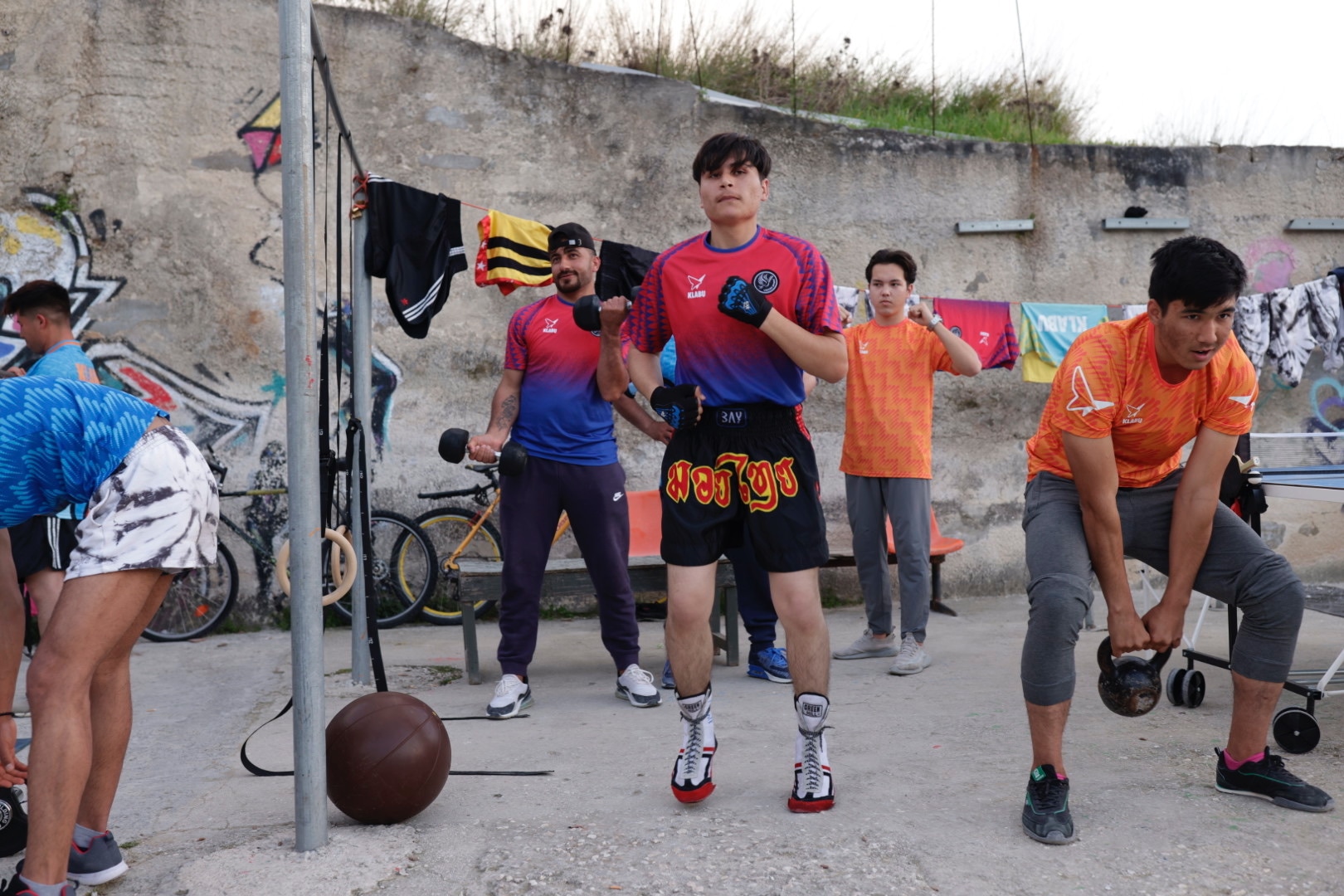
Clubhouses are stronger when the local community is in the lead
How do we prepare for graduation?
Graduation is the final step in a clubhouse’s lifecycle. It marks the moment when the local partner takes full responsibility for operations, funding and management. We ensure that the sports library has been restocked, repainted and is ready for the clubhouse managers, participants and local partner to make it their own and take it further.
This next chapter is one of greater local independence but KLABU always remains involved to provide guidance, advice and support if needed. This involvement is formalised through a robust contractual agreement which clearly outlines the roles and responsibilities of KLABU, the local partner and the clubhouse managers. This agreement enables everyone to be confident about the safeguarding of the quality of the clubhouse and allows for autonomy on the side of the local partner and managers, while also enabling KLABU to intervene, resume management and support should the standards drop significantly or the project become unsafe.
What happens next?
Once handed over, the clubhouse becomes part of our alumni network, which hosts peer-learning opportunities, community exchanges and check-ins to ensure continued alignment with KLABU values of collaboration, inclusion and positivity. Through this alumni network, we can also continue to tell the stories of athletes in all the clubhouses and ensure that their voices are heard via KLABU storytelling.
Overall, this alumni network coupled with the clear contractural agreement are ways for KLABU to mitigate the risks that can affect the clubhouses in the future. Whether it's changes in partner capacity, such as staff turnover, funding fluctuations, or political turmoil, maintaining a close relationship post-graduation will enable everyone to find the best solution together.
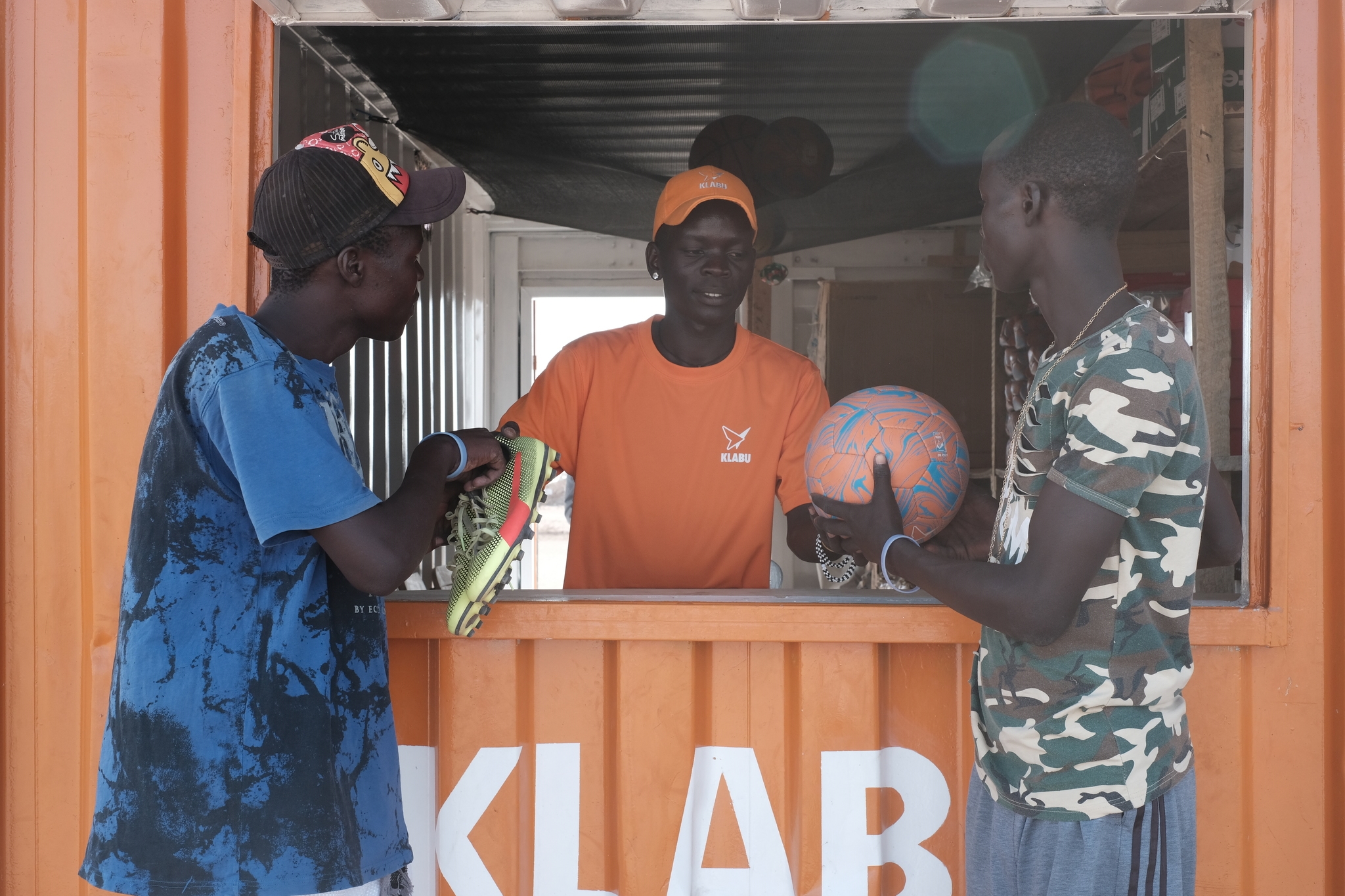 Graduation is the culmination of our ambition to build community-led clubhouses
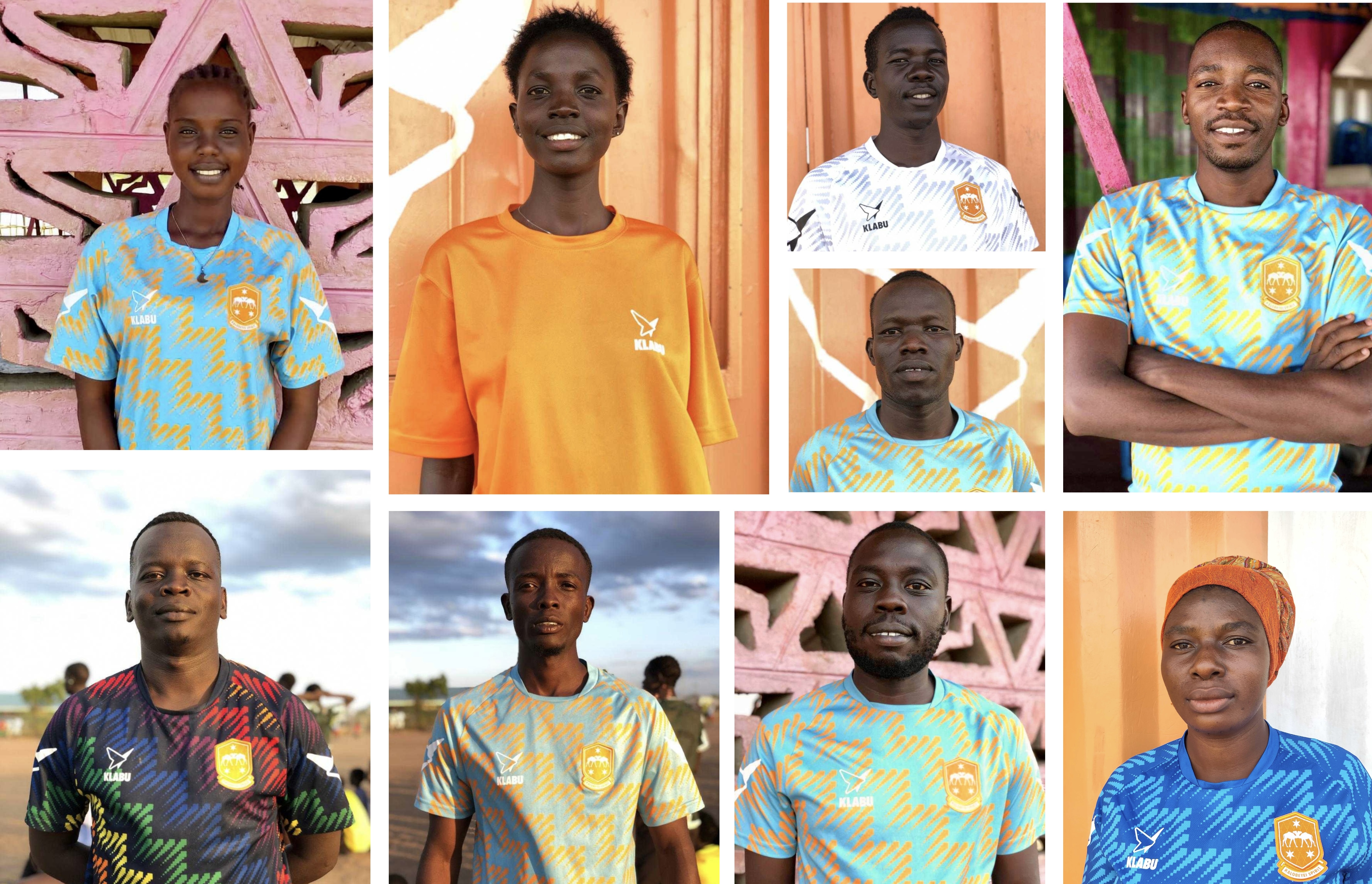
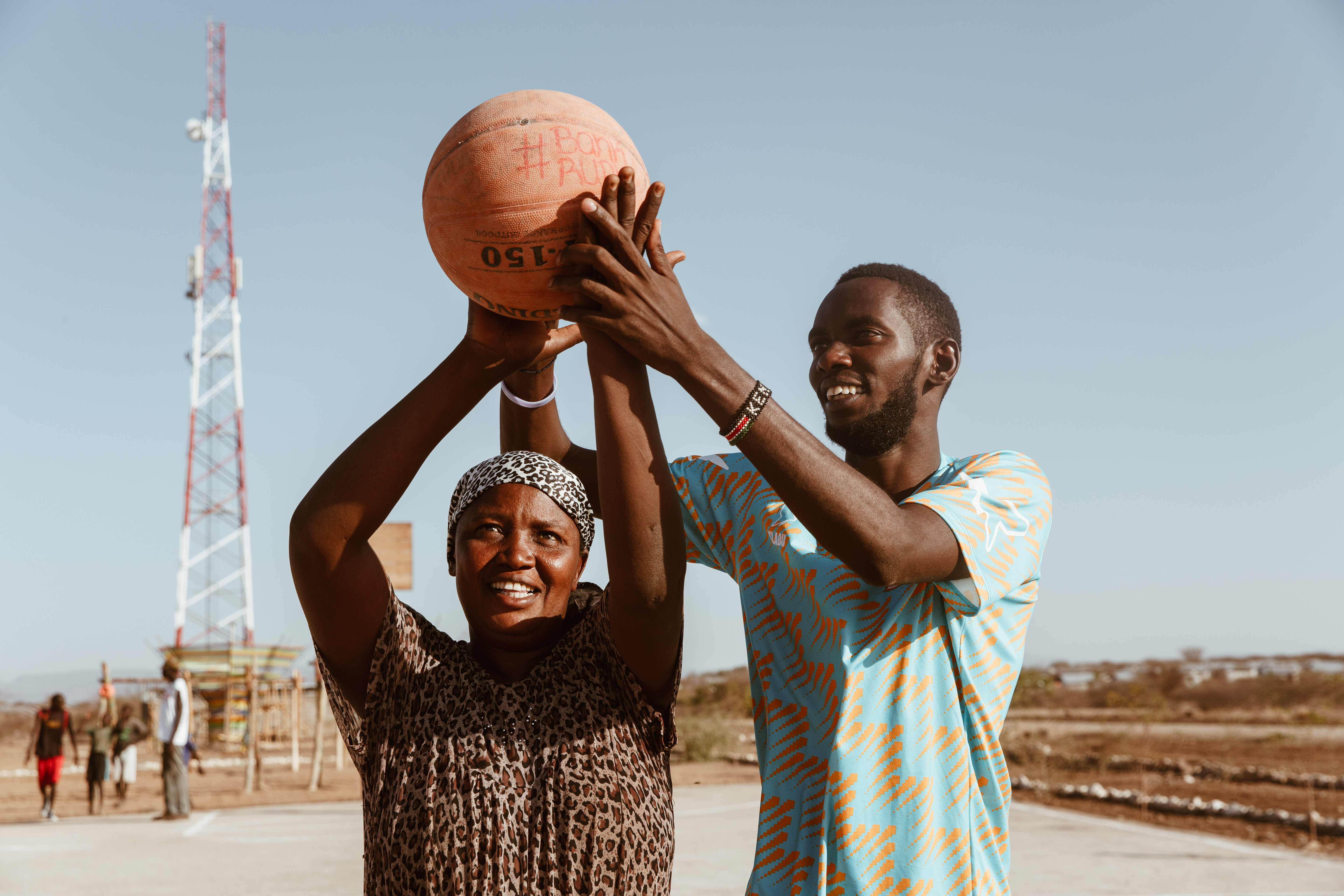 Emile and all our other KLABU members should be in the lead of their clubhouse's evolution
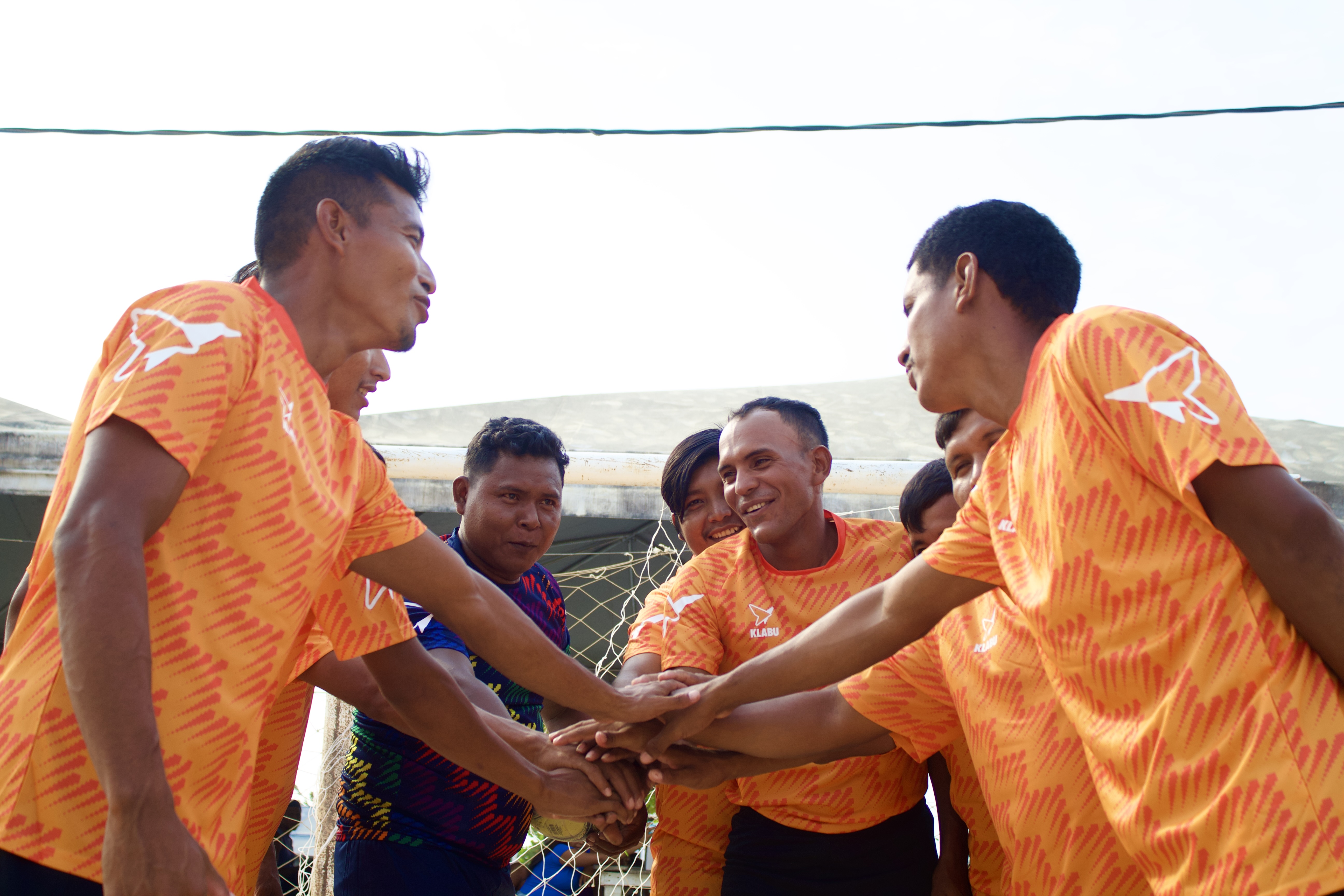
 Clubhouse managers around the world will follow capacity strengthening courses to run them optimally
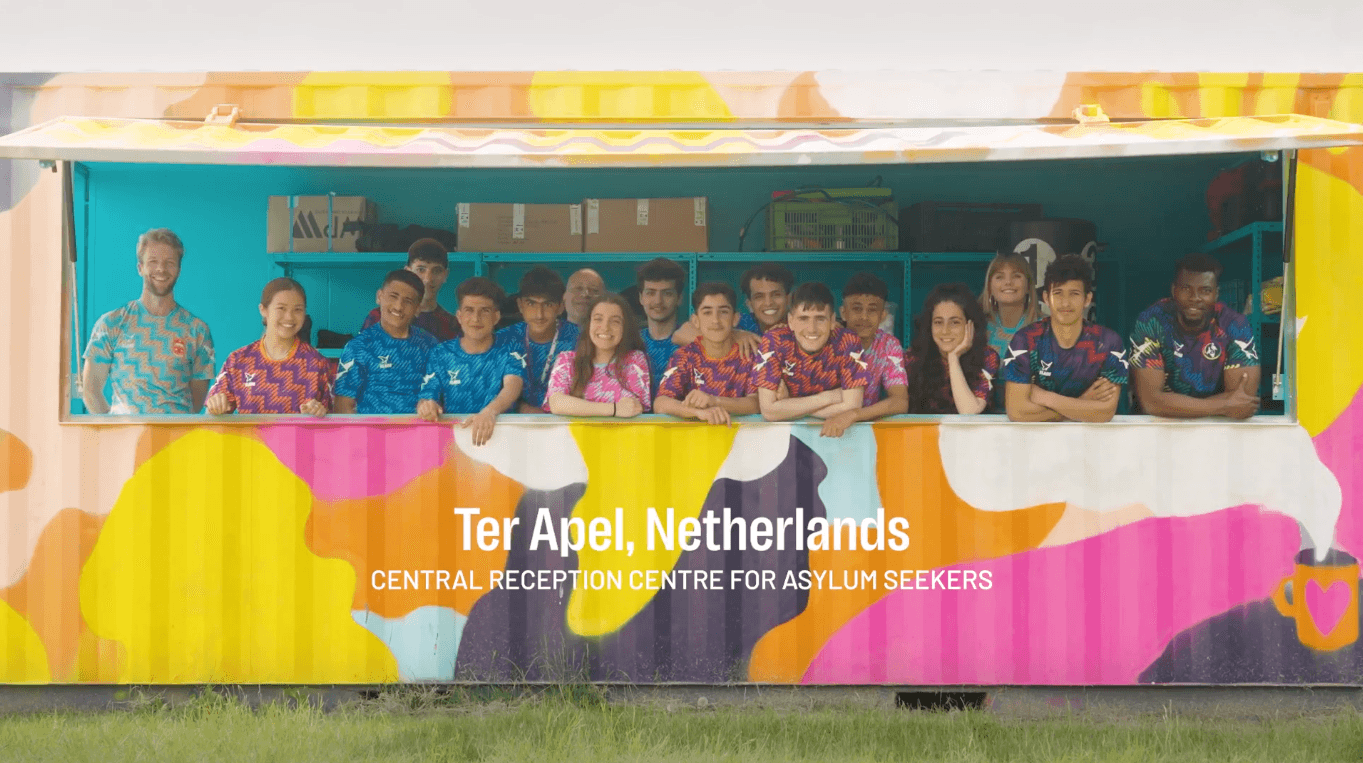
 Post-graduation, a clubhouse will still always be part of KLABU and its graduation network
Graduation in different contexts
Our graduation model is designed to work in a variety of settings. Across our projects, we see two main types of transitions:
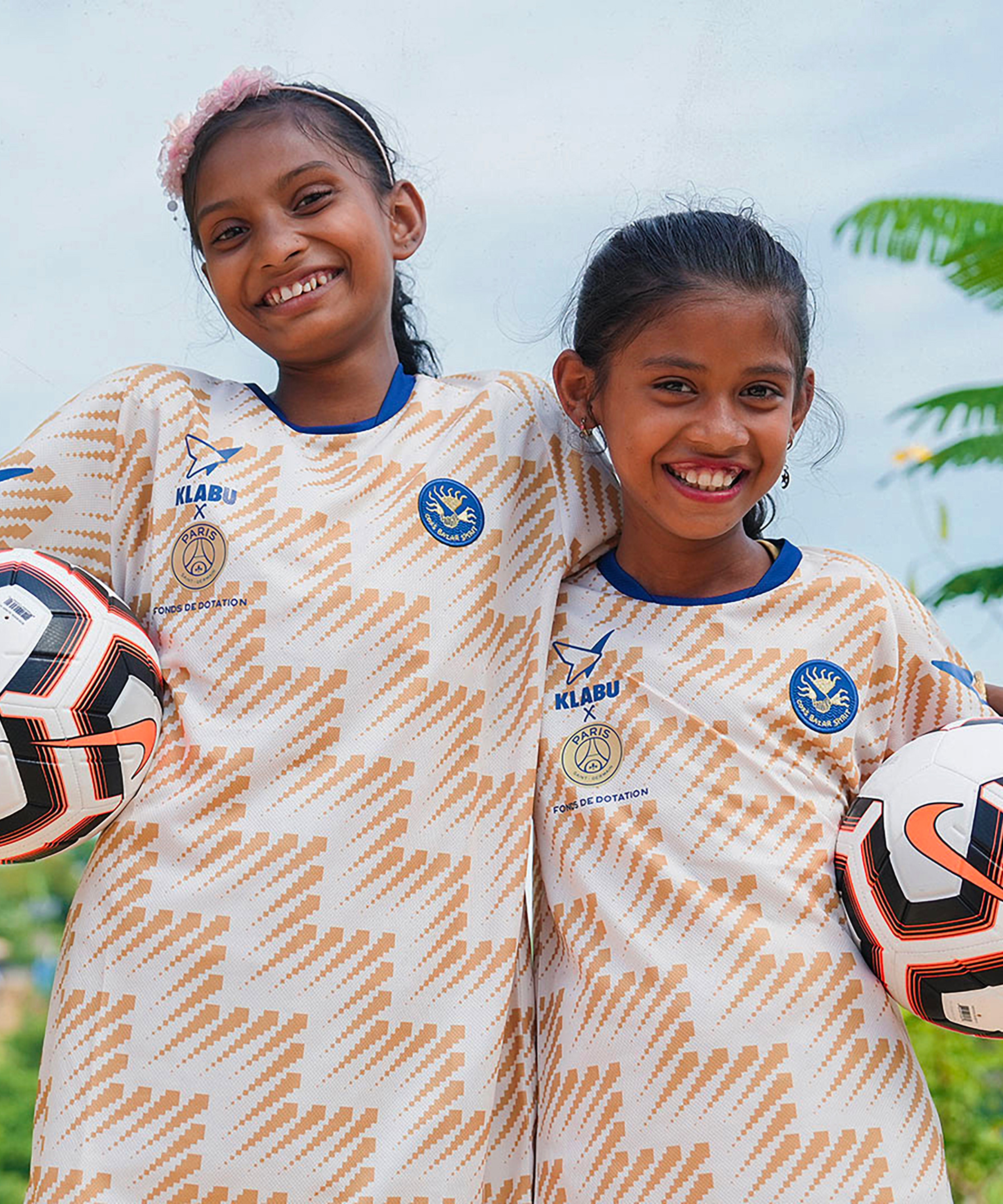
Refugee campsIn large camp environments, graduation typically involves handing over responsibility to long-standing humanitarian partners with deep community ties and operational experience. These partners are often best placed to maintain stability, continuity and local ownership once the clubhouse is fully established and work closely with the clubhouse managers who oversee the daily operations, as is the case with our first graduated clubhouse: the Cox's Bazar Spirit.
Urban contextsIn urban contexts graduation may mean transferring management to public institutions that oversee local services and facilities. These organisations, such as government agencies or municipalities ensure the clubhouse remains integrated into long-term community support structures. The case of the Ter Apel Spirit and its graduation to full management by our partner, the Central Agency for the Reception of Asylum Seekers (COA), is a pilot case for this approach.
These examples reflect how graduation can take different shapes depending on the environment, a pathway that all our future clubhouses will also follow as they grow toward independence.
Graduations so far
To this date, we have graduated three of our clubhouses: Cox's Bazar Spirit, Ter Apel Spirit and Lesvos Spirit.In all three locations, we had wonderful local partners from the start who are perfectly placed to lead these projects fully in the years to come.
If you would like to get the latest news from any of these projects, please contact us at info@klabu.org - we'd be more than happy to discuss with you how this new chapter is going!
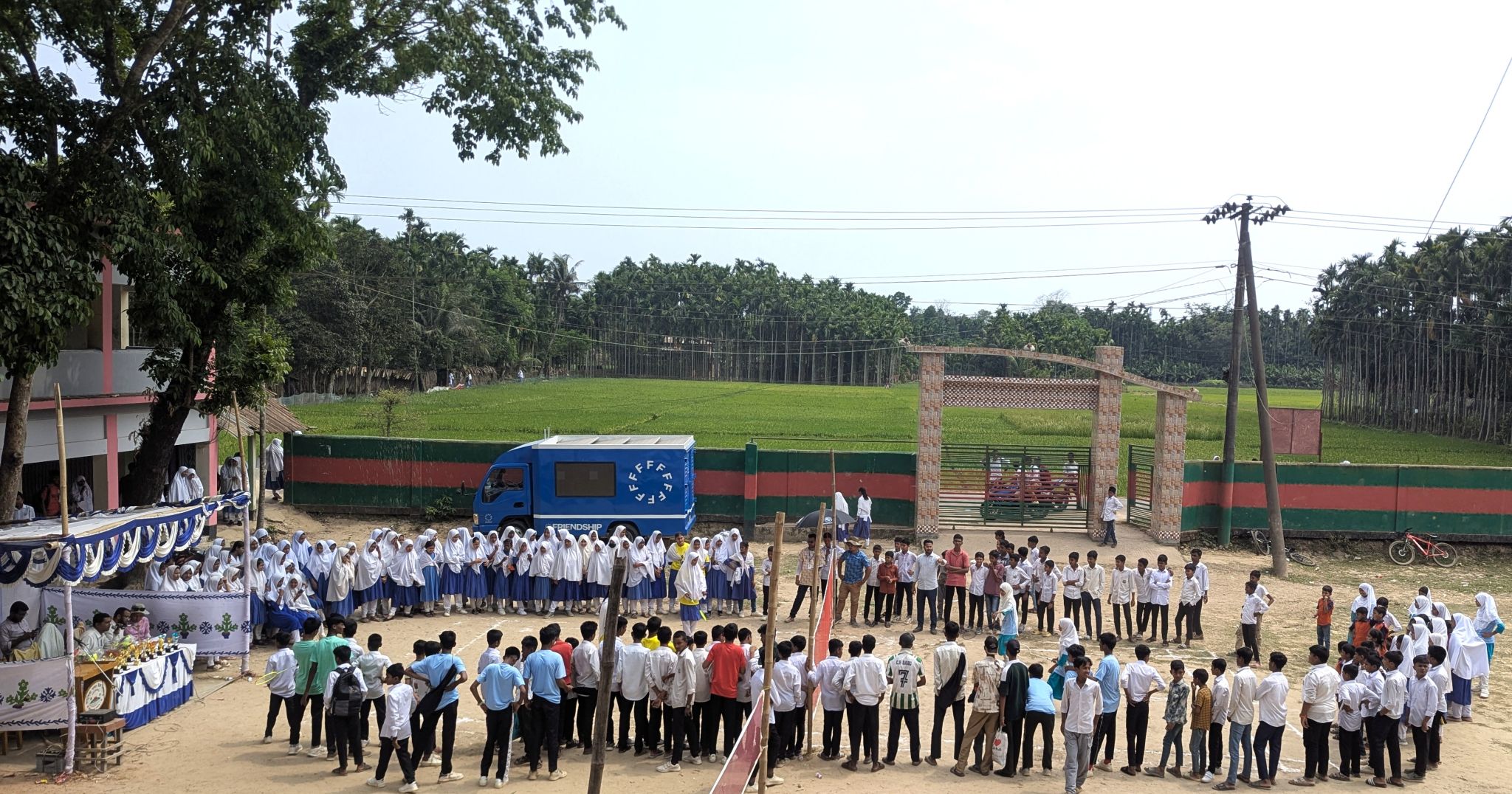
The graduated mobile clubhouse at a local school in Cox's Bazar in April 2026.
This is new for KLABU and we will learn a lot!
For the first time, KLABU clubhouses are being hand over entirely to separate entities. It's hugely exciting and important for the local communities we serve. However, there are also some uncertainties and risks, which we are well aware of.
We will share updates as the process evolves and are very keen to hear from you if you have any ideas and advice on how how we can make this best a big success for all our members.